
Software Development

Who we build for
Founders and teams shipping digital products.
Engagement model
Productized sprints and retained partnerships.
Starting timeline: 2–4 weeks
Senior-only delivery standard
Pick your poison
// COMPARE
Use no-code when you need to test an idea this week, the workflow is simple, and you can live with the platform's limits and fees. Build custom when the product is the business, handles serious data or payments, needs to integrate deeply, or has outgrown the tool. Both are legitimate; the mistake is staying on no-code too long or going custom too early.
| No-code (Bubble, Softr, Webflow, Glide) | Custom software (Authect) | |
|---|---|---|
| Time to first version | Days | 3–6 weeks for most first releases |
| Upfront cost | Low: subscription plus your time or a no-code freelancer | A fixed project price |
| Ongoing cost | Monthly per-seat or per-usage fees that grow with success | Hosting you control; no platform fee |
| Performance and SEO | Acceptable for internal tools; often weak for public sites and apps | Tuned: Core Web Vitals, structured data, fast APIs |
| Data and security | The platform's rules and region; audits are limited | Your database, your region, security audit included |
| Integrations | Whatever connectors exist; workarounds otherwise | Anything with an API |
| Ownership | You own the data; the app lives on their platform | You own code, data and infrastructure |
| Ceiling | Complex logic, scale and custom UI get hard or impossible | None that matters at startup scale |
The best no-code apps are excellent specifications: they show exactly what users do and which screens matter. Authect regularly rebuilds Bubble, Airtable and Webflow products into Next.js and Postgres in 4–8 weeks, keeping the flows users already know, exporting the data, and running both in parallel until cut-over. You keep the learning, drop the fees and the ceiling.

Wealth is Engineered.
Next.js · Tailwind CSS · Avantio API
View case study →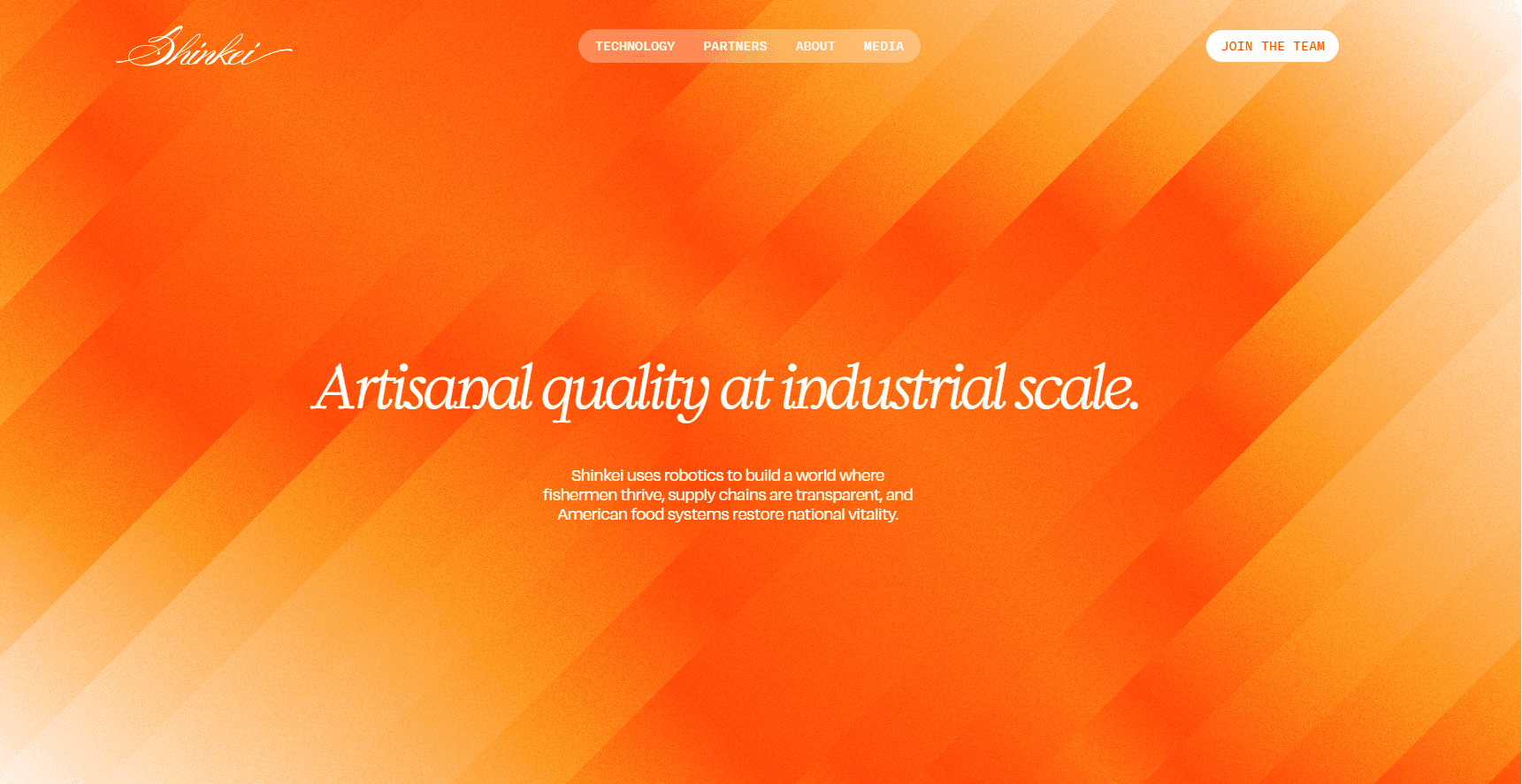
Shinkei Systems revolutionizes seafood harvesting with robotics, enhancing quality and efficiency
Product Development · Robotics · Software Engineering
View case study →
Predictive intelligence layer for last-mile logistics
Product Design · UX/UI · AI Integration
View case study →
Book a 15-minute call or send us a message. No preparation needed.
info@authect.com
Working with teams worldwide.
Get Started
BOOK A 15-MIN CALL+Let Authect handle it.