

Industry
Biotech Software Development
We design and build lab, data and AI software for biotech teams, from first prototype to production, with the founders writing the code.
Talk to the founders
What you get with Authect's biotech software development
Biotech moves at the speed of its data. Authect builds the software that captures, connects and analyses it: lab systems, bioinformatics pipelines and scientific data platforms, plus the apps your scientists use every day. We work as a small team led by the founders and senior engineers, so the people who scope your platform are the people who build it.
Science changes direction, and the software has to keep up. We build modular, well-documented systems that are easy to extend when your pipeline or assays change, with security, versioning and reproducibility designed in, and we hand you code and infrastructure you own outright.
What we do
What's included in our biotech software development services
Data engineering
Pipelines that ingest instrument output, sequencing runs and experiment metadata, with lineage and versioning so every result can be traced back to its raw data.
Explore the serviceData platforms
Machine learning
Application development
DevOps
Build biotech software that keeps up with your science, with founders who code, not sell.
Contact usService benefits
How we help biotech teams do more science
The biotech solutions we build
Whether you are an early-stage team setting up your first data stack or a growing company replacing tools you have outgrown, we cover the full journey: discovery, design, engineering, launch and ongoing support, with a founder accountable at every step.
Laboratory information systems
Custom LIMS and ELN extensions for samples, plates, protocols and results, with instrument integrations and a full history of every change.
Bioinformatics pipelines
Workflow-managed pipelines for genomics, proteomics and other omics data, running on scalable cloud compute with tracked parameters and outputs.
Scientific data platforms
Unified, searchable stores for experimental, clinical and public data, with consistent identifiers and APIs that other tools can build on.
AI for discovery
Machine-learning and generative models for prioritising targets, designing experiments and searching literature, with results scientists can inspect and question.
Bioprocess and manufacturing software
Process data capture, batch records and monitoring dashboards for upstream and downstream processing, connected to equipment and quality systems.
Our biotech domain expertise
Research and discovery
Discovery teams run many experiments in parallel and need to see quickly what worked. We build experiment tracking, compound and biologics registration with consistent identifiers, and analysis apps that pull results from plate readers, electronic lab notebooks and LIMS into one view. Scientists can compare runs, annotate findings and share them with colleagues, turning raw lab output into clear decisions about what to test next.
Genomics and omics
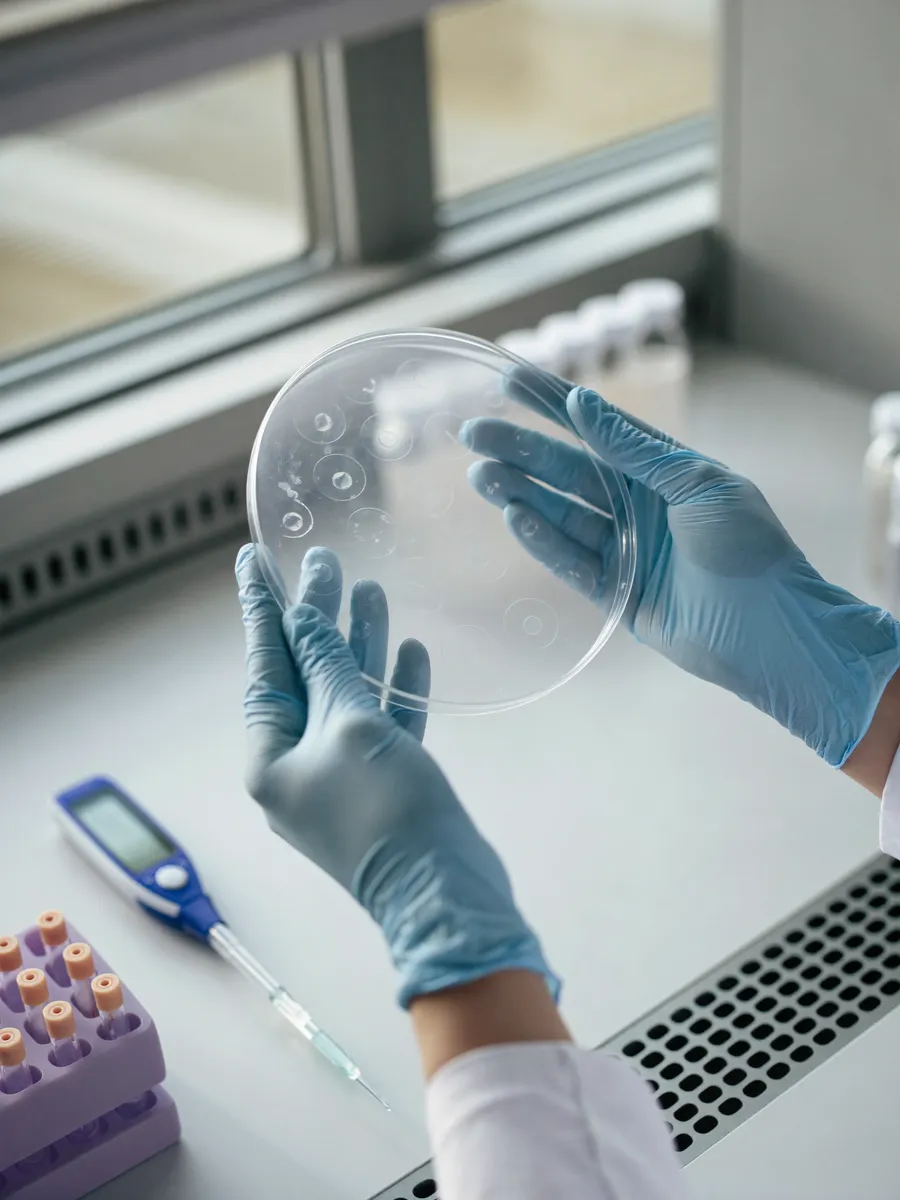
Sequencing and other omics work produces very large files and complex, multi-step analyses. We build workflow-managed pipelines for alignment, variant calling and expression analysis on scalable cloud compute, with parameters, reference versions and outputs tracked for every run. Around them we add sample metadata management, interactive visualisation and access controls, so scientists can explore results without waiting on a bioinformatician for every question.
Lab operations
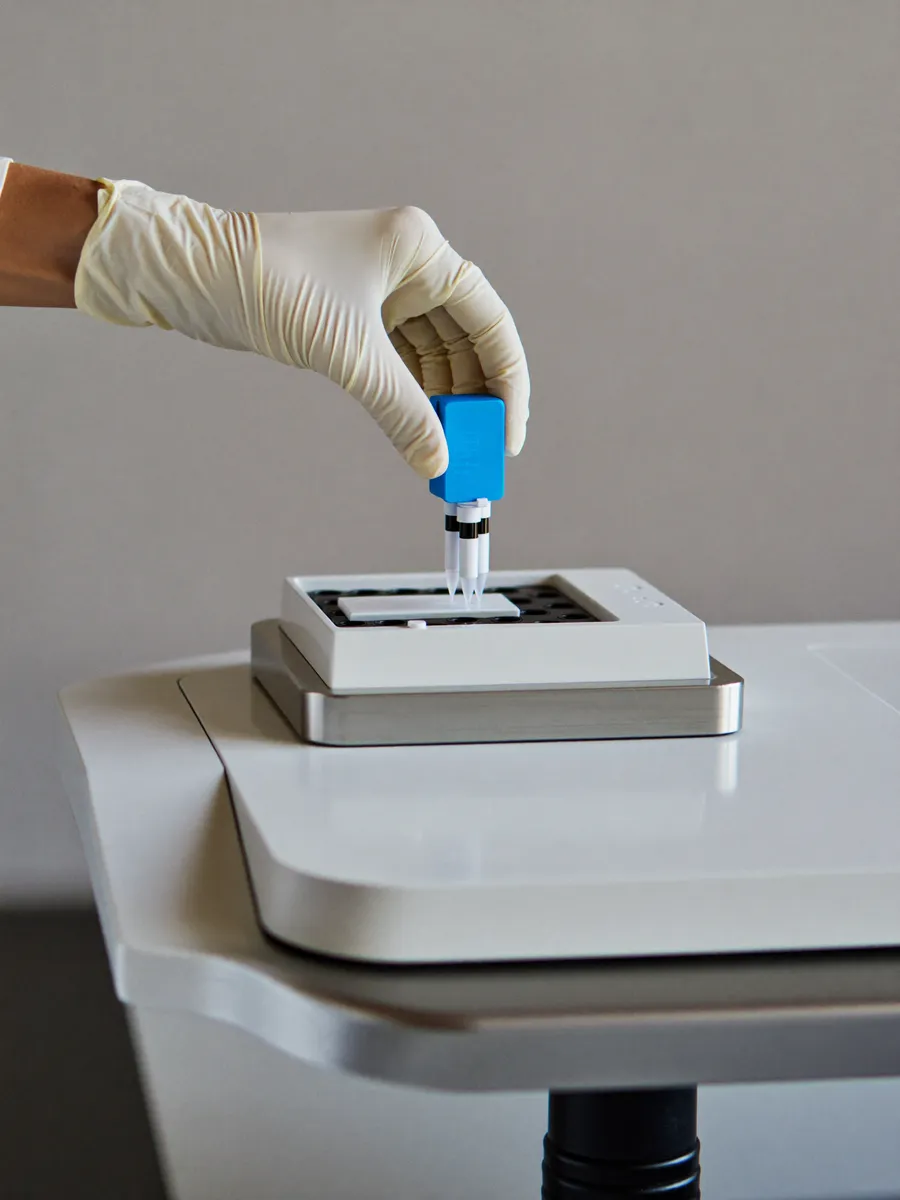
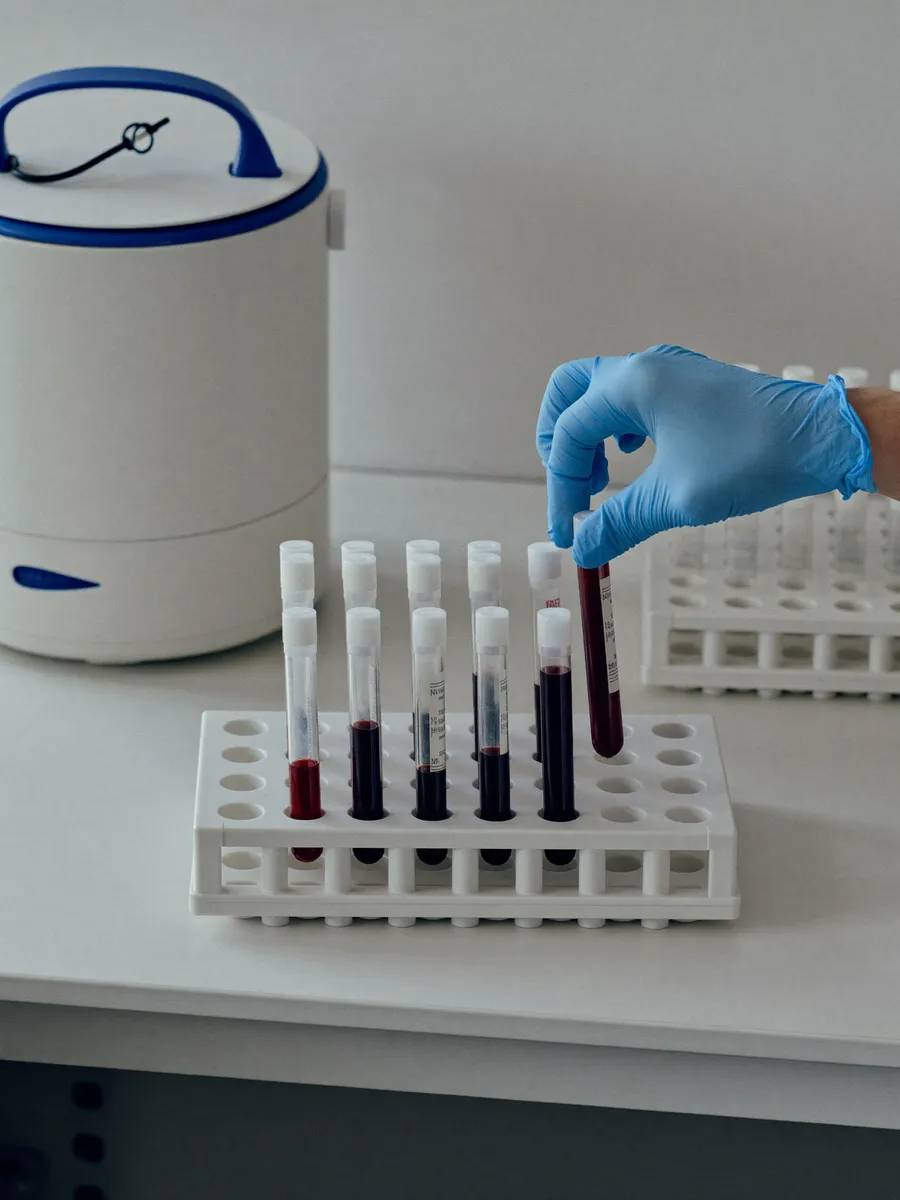
Busy labs juggle samples, reagents, plates and shared instruments across teams and sites. We build sample logistics and inventory tools with barcode scanning, instrument booking and scheduling, and integrations with liquid handlers and other lab automation through vendor SDKs or file drops. Every sample keeps a complete chain of custody, and lab managers get a clear view of capacity, stock and turnaround.
Clinical development
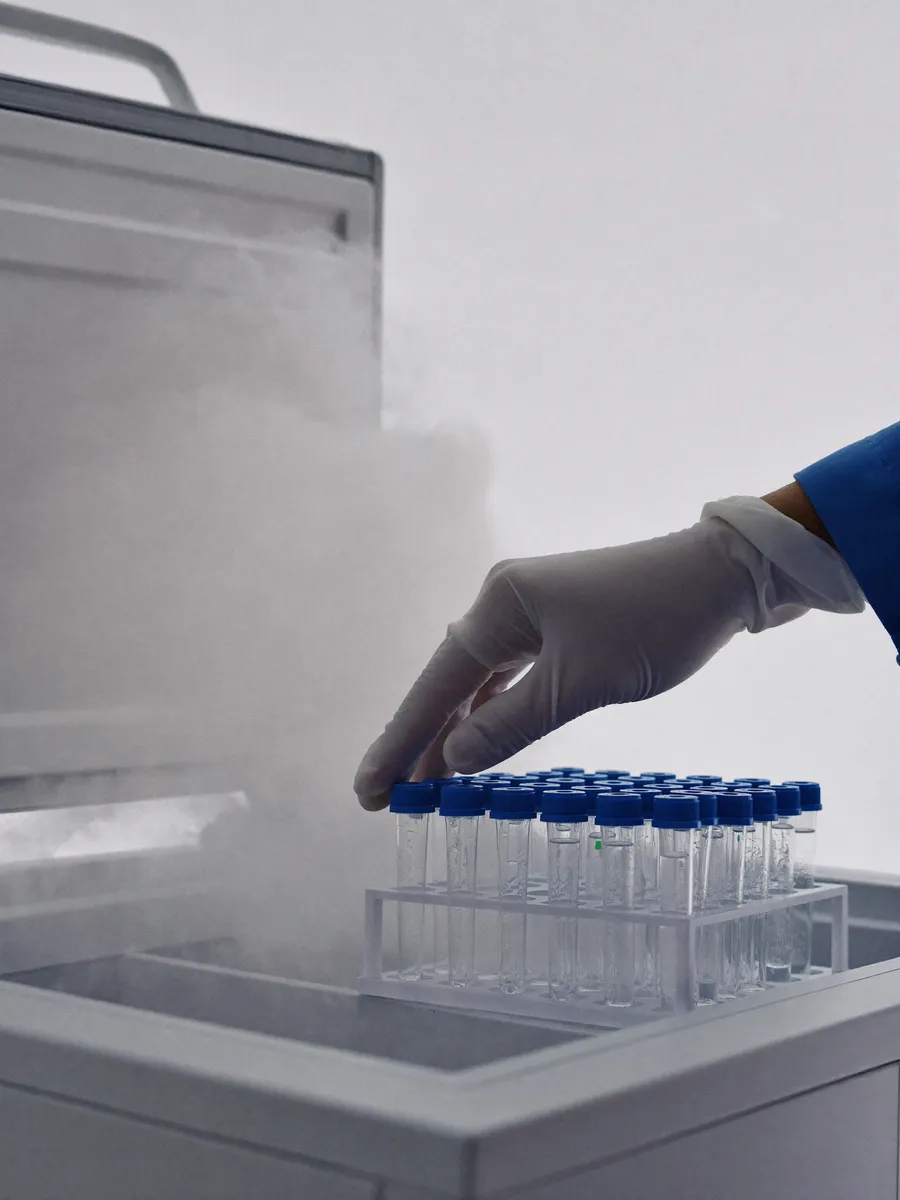
As programmes move towards the clinic, research data has to connect with trial data under tighter controls. We build biomarker and assay data management, trial data capture and integrations with CROs and central labs, using pseudonymised identifiers and role-based access. Reporting links preclinical findings to clinical outcomes, and audit trails and signatures are added wherever the work becomes regulated.
Bioprocessing
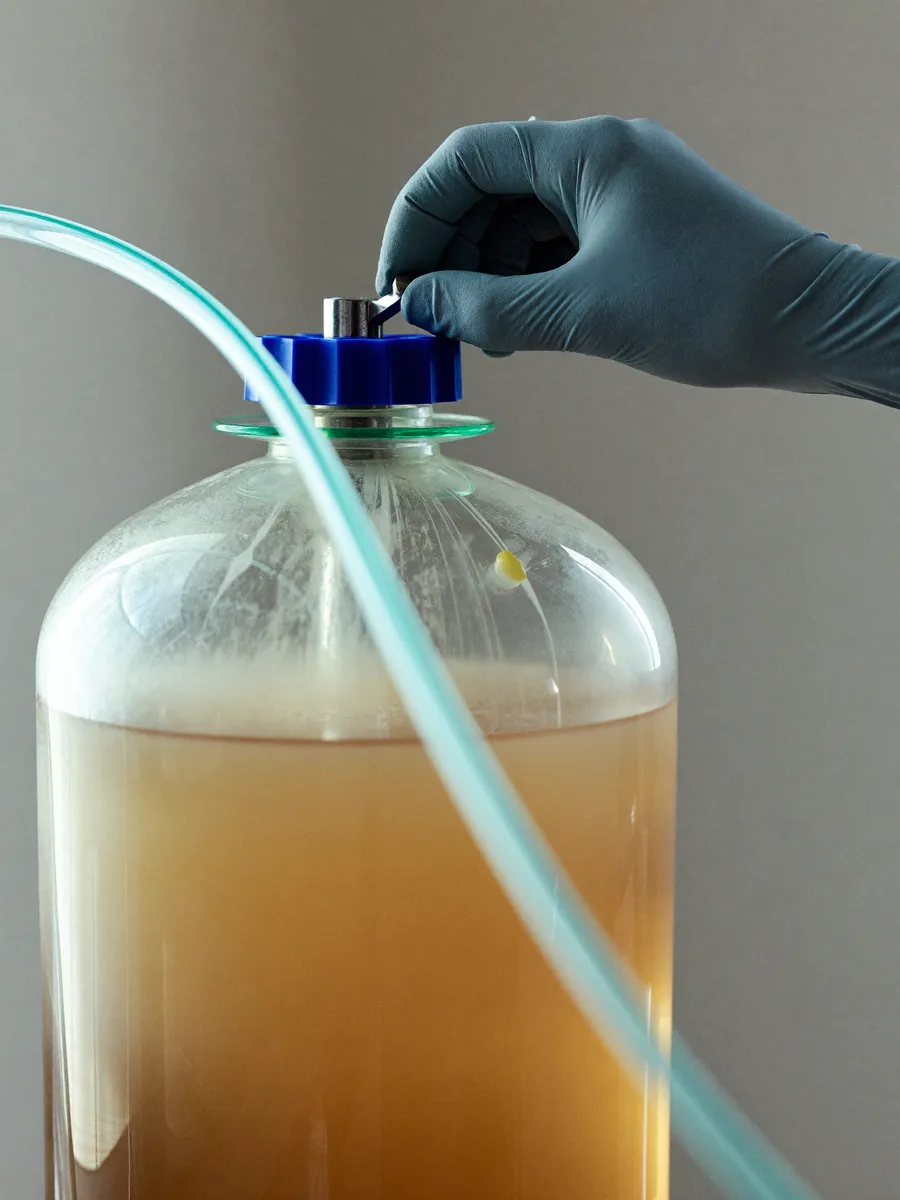
Process development and manufacturing teams need run data they can compare and trust. We capture data from bioreactors, chromatography systems and analytical instruments, build dashboards for monitoring upstream and downstream runs, and structure batch and process records so parameters can be compared across scales. That gives teams the traceability they need for scale-up, tech transfer to manufacturing partners and later quality review.
How we work
Our approach to biotech software development
Why develop your biotech software with Authect
Founders on every project
You work directly with the founders, who scope, build and support your platform themselves. They learn enough of your science to ask the right questions, and decisions never wait on account managers or handovers.
Reproducible by design
Versioned pipelines, tracked parameters, data lineage and environments defined as code are standard in everything we build, so an analysis can be rerun and explained long after it first ran, for partners, investors and regulators alike.
You own everything
Code, pipelines, data models and infrastructure live in your own accounts from the start. Your data and IP never sit on a platform we control, and your own team can take over whenever you are ready.
Biotech software development FAQs
What kinds of biotech organisations do you build for?
Research-stage startups setting up their first data and lab systems, scale-ups replacing spreadsheets and point tools, and established companies that need custom software around their existing platforms. The work ranges from a single pipeline to a full scientific data platform.
Can you integrate with our lab instruments and existing systems?
Yes. We build integrations with instrument software, plate readers, sequencers, LIMS, ELNs and ERP systems through APIs, file drops or vendor SDKs, with validation and monitoring so data arrives complete and correctly labelled.
How do you keep sensitive research and patient data secure?
We use encryption in transit and at rest, least-privilege access, separate environments, audit logs and infrastructure defined as code. Patient-derived data can be pseudonymised or anonymised before analysis, and access for partners is scoped to exactly what they need.
Can you build for regulated work under GxP or GDPR?
Yes. We design for the requirements that apply, such as audit trails, electronic signatures, data retention and consent handling. Your quality, regulatory and data protection teams remain responsible for validation and compliance decisions, and we provide the documentation and test evidence they need.
How long does it take to build a custom LIMS or bioinformatics platform?
It depends on scope, but a focused first version that handles your core workflow usually takes a few months. We start with the workflow causing the most pain, put it in scientists' hands early, and extend from there.