

Expertise
VR, AR and MR App Development
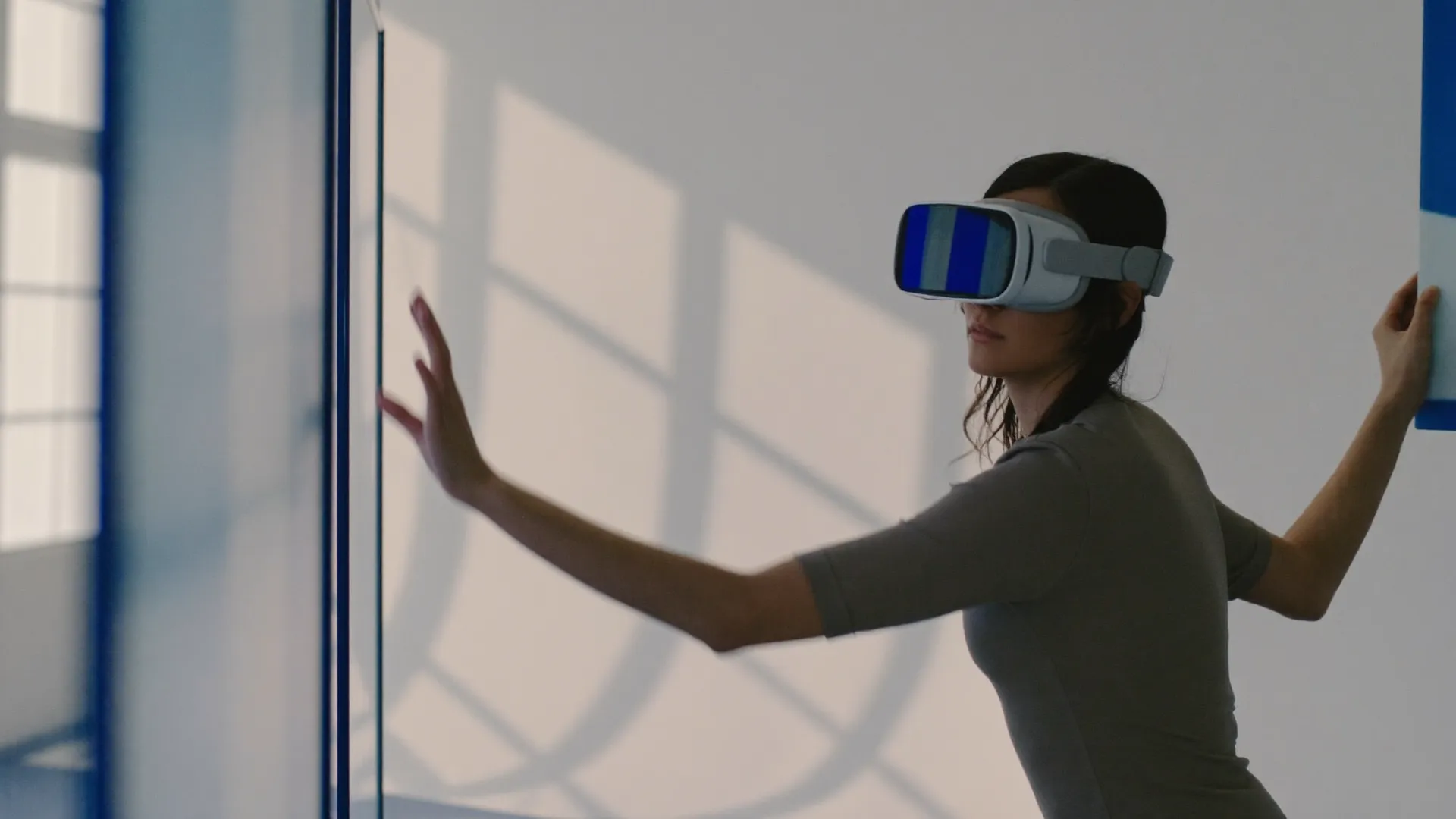
Train teams, show products and work together in ways a flat screen can't, with virtual, augmented and mixed reality apps designed and built by a founder-led team.
Talk to the foundersWhat you get with Authect's VR and AR app development
Extended reality earns its place when it solves a real problem: training that sticks, products customers can try before they buy, and experts who can guide a colleague on site without travelling. We start with that problem, check that XR is genuinely the best answer, and then design and build an experience that people want to put the headset on for.
Every project is led by a senior engineer, with the founders involved from the first workshop. We build for headsets, phones, tablets and the browser with engines such as Unity and Unreal, connect the experience to your existing systems and data, and hand you the source code and 3D assets as your own.
Service benefits
How VR and AR apps can transform your business
- 01
Memorable customer experiences
Let customers place furniture in their living room, walk around a car or explore a property before it's built. Trying a product in context answers questions a photo gallery can't.
- 02
Smoother processes in the field
Step-by-step instructions overlaid on the equipment, hands-free checklists and remote expert guidance help technicians work faster and make fewer mistakes, wherever they are.
- 03
Less time and money spent on prototypes
Review designs, check how new parts fit and plan a production line in a virtual model before anything is manufactured, catching costly problems while they're still cheap to fix.
- 04
Collaboration across locations
Shared virtual spaces let distributed teams review a 3D model together, rehearse a procedure or meet in a way that feels closer to being in the same room than a video call.
- 05
Training that people remember
Immersive simulations let staff practise rare, risky or expensive situations safely and repeat them as often as they need, with every session recorded for review.
- 06
Brand experiences that stand out
For events, retail, sports, entertainment and marketing, an interactive experience gives audiences something to talk about and share, long after the campaign ends.
What we do
The scope of our VR and AR development services
From the first question of whether XR fits, to an app in your users' hands and the updates that follow, one founder-led team takes it all the way.
Discovery and feasibility
We study your use case, users and environment, compare VR, AR and mixed reality options and the devices that suit them, and tell you honestly whether XR is worth it. You get a recommendation, a rough budget and a plan.
Prototyping and experience design
Custom XR development
Launch and evolution
The technologies and devices we build for
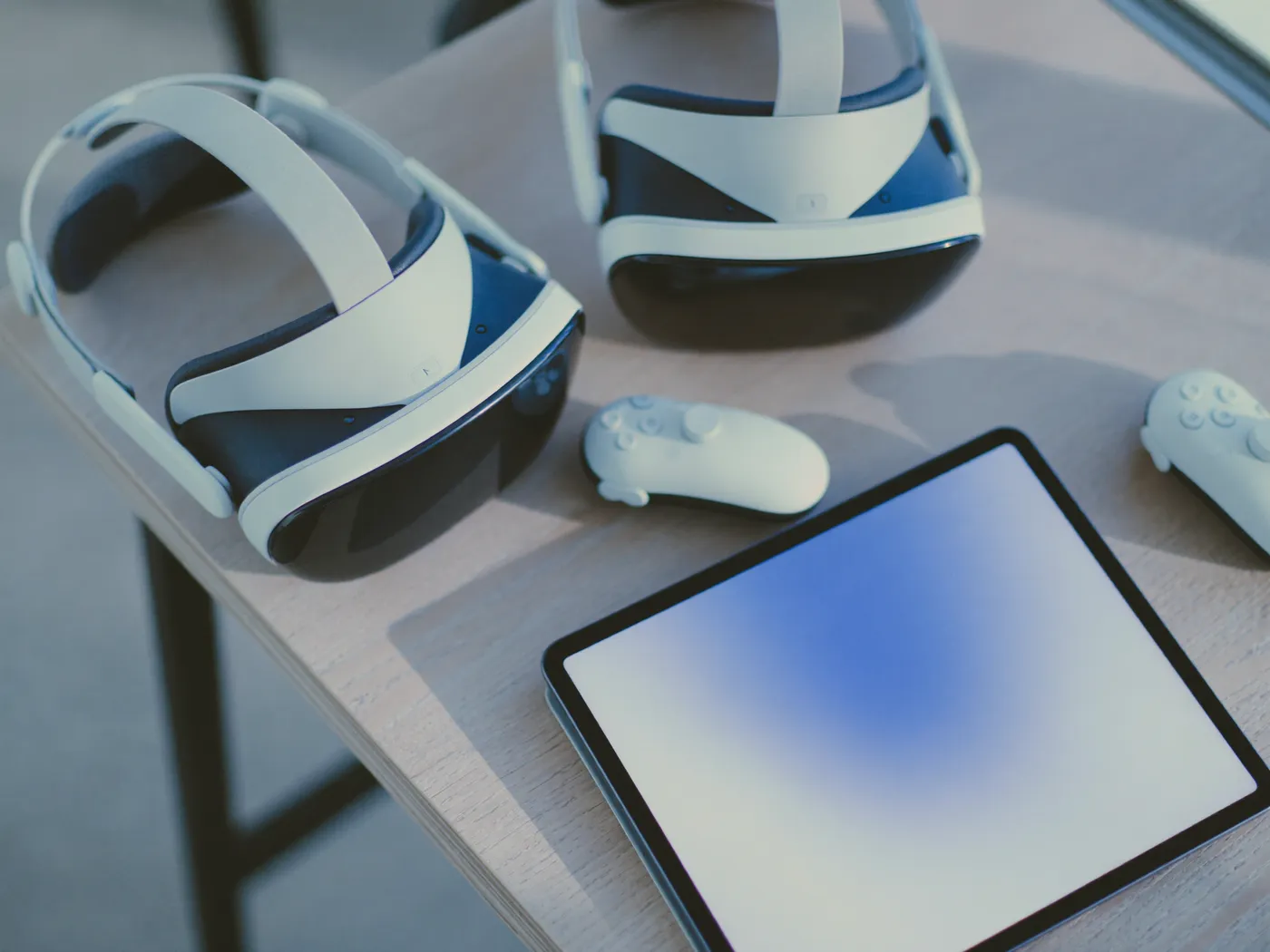
We pick the device and engine to match your audience, budget and setting. A headset suits deep immersion and training; a phone or the browser reaches the most people with nothing to install or buy.
Wherever it makes sense, we build on open standards such as OpenXR, so your app can move to new hardware as the market changes.
What we work with
- Standalone headsets such as Meta Quest
- Apple Vision Pro and visionOS
- PC VR through SteamVR and OpenXR
- Augmented reality on iOS and Android with ARKit and ARCore
- WebXR experiences that run in the browser
- Unity and Unreal Engine for 3D development
Industries
Business sectors and industries we build XR for
Immersive technology is most useful where people need to see, practise or explore something physical. These are the areas where we see it work best.
Manufacturing
Design reviews, assembly guidance, maintenance instructions and safety training on virtual equipment.
Retail
Try-before-you-buy, virtual showrooms and product configurators that customers can explore at home.
Healthcare
Procedure rehearsal, anatomy visualisation and patient education, built with privacy in mind.
Education
Virtual labs, field trips and simulations that make abstract subjects tangible.
Marketing
Interactive campaigns, event activations and AR experiences people share.
Sports
Fan experiences, performance analysis and training scenarios viewed from any angle.
Entertainment
Immersive stories, games and location-based experiences for venues and attractions.
Streaming and media
360-degree video, virtual seats at live events and companion AR experiences.
Case studies
Recent work from Authect
 Mobile AppReact NativeSupabaseBredinoBredino: Verified Matchmaking & Breeding Platform for Purebred Animals39App Screens100%Verified Docs109Automated Tests
 FintechTradingArtificial IntelligenceSmartTraderSmartTrader: Technical Analysis & Automated Trading Platform100k+Active Traders< 20msLatency50+Smart Tools
 HospitalityFoodTechSaaSFoodNotifyFoodNotify: F&B Management & Automated Kitchen Operations Platform30k+Locations15%Cost Reduction100+Integrations
VR, AR or MR
Virtual, augmented or mixed reality: which fits your idea?
The three are often grouped together, but they solve different problems. This is how we help clients choose before a single line of code is written.
| Virtual reality | Augmented reality | Mixed reality | |
|---|---|---|---|
| What the user sees | A fully digital world that replaces their surroundings. | Digital content overlaid on the real world, usually through a phone or tablet. | Digital objects anchored in the real room that respond to it and can be handled. |
| Typical devices | Standalone or PC headsets. | Smartphones, tablets and the browser. | Headsets with passthrough or see-through displays. |
| Works best for | Training simulations, virtual tours and immersive storytelling. | Product try-ons, wayfinding, marketing and quick reference on site. | Hands-on guidance, design reviews and collaboration around real equipment. |
| Reach | Smaller audience with dedicated hardware. | Largest audience, with nothing extra to buy. | Growing audience, mostly business users today. |
| What to plan for | Comfort, session length and a supply of headsets. | Varied lighting, phone performance and short attention spans. | Accurate tracking, hardware cost and careful interaction design. |
Insights
 GuideTalent marketplace vs development studio: Toptal, Upwork or a team?View guide
 GuideFounder-led studio vs large offshore agency: which is right for your project?View guide
 GuideStudio vs in-house developers: the true cost of building your own teamView guide
 GuideDevelopment studio vs freelancer: who should build your software?View guide
 GuideCustom software vs no-code: when each wins, the limits and the real costs over timeView guide
 NewsWeekly briefing, 4 November 2026: the $6.3bn Binance heist, HTTP2Shell keeps spreading, and one robots.txt line for AI trainingView news
FAQs
VR and AR app development FAQs
What is a VR app?
A VR app is software that places the user in a computer-generated environment, viewed through a headset and controlled with hand controllers, hand tracking or gaze. Businesses use VR apps for training, design reviews, virtual tours, collaboration and immersive marketing.
What are the benefits of VR and AR apps for businesses?
They let people practise, explore and understand things that are hard to show any other way: rare or dangerous situations in training, products that don't exist yet, or instructions placed directly on the equipment they describe. The result is often faster learning, fewer errors and more engaged customers.
How does a VR or AR project usually begin?
With a short discovery phase. We look at the problem you want to solve, who will use the app and where, then recommend VR, AR or mixed reality and the devices to target. Next comes a prototype tested with real users, so you can see and feel the idea before committing to a full build.
Should we build for headsets or phones?
It depends on your audience and goal. Headsets give the deepest immersion and suit training and design work, but need hardware. Phones and the browser reach far more people instantly. Many projects start on mobile or WebXR and add a headset version later, and we plan the code so that's possible.
Can the app connect to our existing systems?
Yes. We connect XR apps to your product catalogues, learning management systems, identity providers, analytics and back-end services, so content stays up to date and results flow into the tools you already use.
Who owns the app and the 3D assets?
You do, from day one. The source code, 3D models, textures and build pipelines are yours, so you can update the app with us, with your own team or with anyone else.