


Engineering
Legacy Software Modernization Services
Turn the outdated systems your business still depends on into fast, secure, maintainable software, without stopping the operations that run on them.
Talk to the foundersWhat you get with Authect's software modernization services
Legacy systems often hold your most valuable business logic, and your biggest risks: slow releases, security gaps, rising maintenance costs and fewer people who know how they work. We re-engineer them step by step, keeping what works and replacing what holds you back, so your teams can keep working throughout.
Every modernization is led by a senior engineer, with the founders involved from the first review. We combine re-engineering with cloud migration, DevOps and product design, so the result isn't just newer code but software that's easier to change, cheaper to run and better to use.
How we work
End-to-end legacy application modernization
Three stages take your system from today's constraints to a modern platform, each with clear deliverables and a working system at every step.
Review and scoping
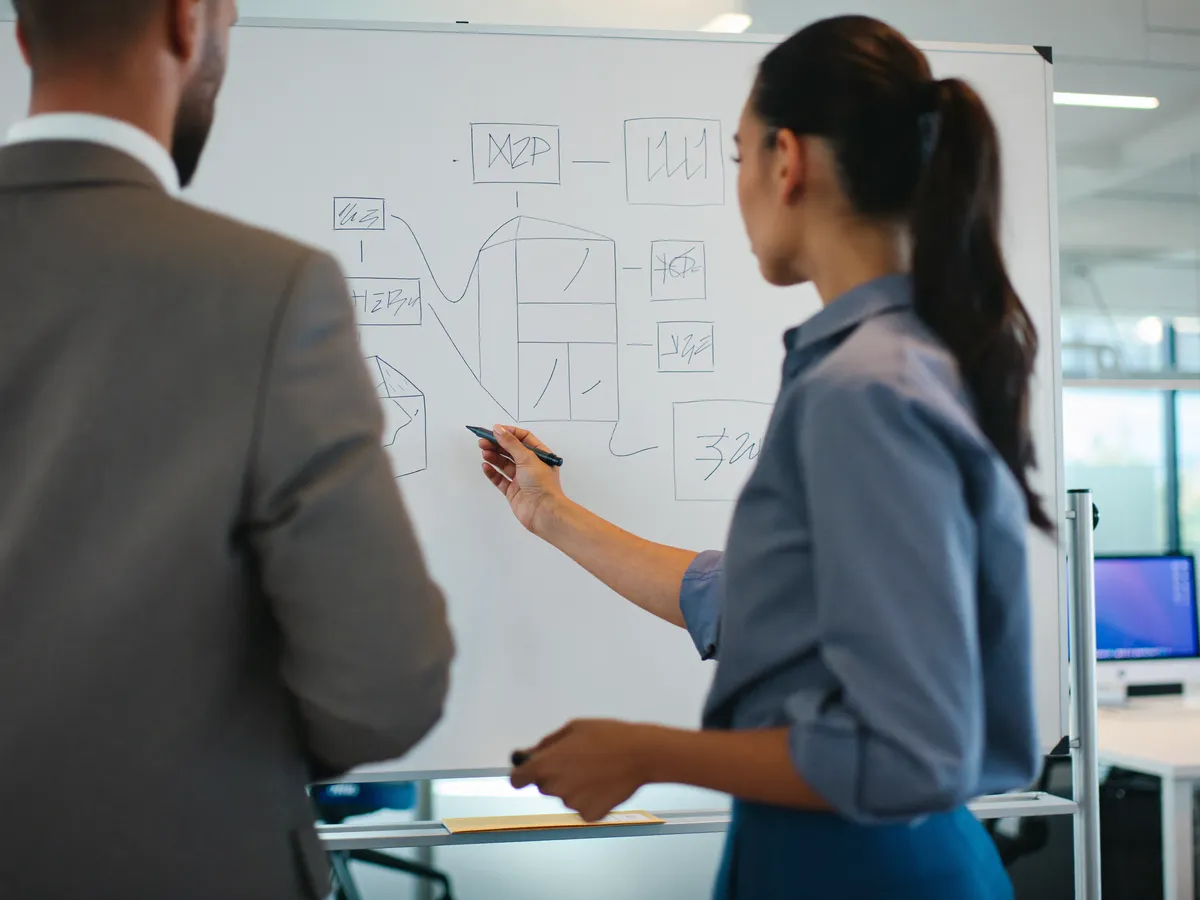
We get to know your business and your system inside out: the code, architecture, data, integrations and the people who rely on it. Together we decide what to keep, refactor, replace or retire, and you get a written modernization plan with priorities, risks and milestones.
Modernization
We modernize in small, safe increments rather than one risky rewrite. Critical paths get automated tests first, then we refactor, move components to modern frameworks or the cloud, and redesign the screens your users struggle with, releasing improvements as we go.

Launch and support
Each modernized part goes live with monitoring, documentation and a rollback plan. After launch we keep the system healthy, fix issues fast and continue improving it, or hand it over cleanly to your own team.

Expertise
The expertise we bring to legacy modernization
Modernizing a legacy system touches every part of your technology. These are the capabilities we combine, depending on what your system needs.
Cloud migration
Move legacy workloads from your own servers to the cloud for better scalability, resilience and cost control, rehosting where it's enough and re-architecting where it pays off.
Explore the serviceDevOps
Automated builds, tests and deployments, so a system that used to ship twice a year can release small changes safely whenever you need.
Explore the serviceProduct design
We redesign the workflows and screens people struggle with, testing them with real users so the modern version is genuinely easier to use.
Explore the serviceAI development
Once your data and services are accessible, we can add AI features such as search, document understanding and assistants on top of your modernized system.
Explore the serviceIntelligent automation
We replace manual workarounds and spreadsheet steps that grew around the old system with reliable, automated workflows.
Explore the serviceCyber security
Security reviews before and after modernization, modern authentication and encryption, and fixes for the vulnerabilities older systems tend to carry.
Explore the service
Upgrade your outdated systems and cut the cost of keeping them running.
Contact usService benefits
How legacy system modernization transforms your business
Become more scalable and flexible
Breaking a monolith into well-defined services and moving it to the cloud lets each part scale on demand, so growth no longer means buying bigger servers or rewriting the system.
Ship changes faster
With automated tests and deployment pipelines in place, changes that used to take weeks of manual releases can go live in hours, with far less risk.
Make the software easier to maintain
Clean, documented code on supported frameworks means new engineers get productive quickly and you're no longer dependent on the few people who understand the old system.
Catch performance issues before users do
Modern monitoring and alerting show bottlenecks and errors as they appear, so we fix problems before they affect your customers or your teams.
Give users a better experience
We reimagine outdated screens and workflows with your users, using prototypes to test ideas quickly, so the modern system is faster to learn and easier to work with every day.
Why Authect
Why choose Authect for legacy application modernization
- 01
Senior engineers who read old code fluently
Every modernization is led by a senior engineer comfortable with both older technologies and modern stacks, so nothing valuable is lost in translation.
- 02
Small, safe steps instead of a big-bang rewrite
We modernize incrementally behind automated tests, so your business keeps running and you see real improvements early rather than waiting for one risky launch.
- 03
The founders stay involved
You talk directly to the founders throughout, so priorities, budget and trade-offs are decided with the people accountable for the result.
- 04
Security first, from the first review
We look for the vulnerabilities older systems tend to carry before we change anything, and build modern authentication, encryption and logging into the new platform.

Case studies
Recent work from Authect
 Mobile AppReact NativeSupabaseBredinoBredino: Verified Matchmaking & Breeding Platform for Purebred Animals39App Screens100%Verified Docs109Automated Tests
 FintechTradingArtificial IntelligenceSmartTraderSmartTrader: Technical Analysis & Automated Trading Platform100k+Active Traders< 20msLatency50+Smart Tools
 HospitalityFoodTechSaaSFoodNotifyFoodNotify: F&B Management & Automated Kitchen Operations Platform30k+Locations15%Cost Reduction100+Integrations
Insights
 GuideCustom software vs no-code: when each wins, the limits and the real costs over timeView guide
 GuideWhat are cloud migration services? A practical guide to moving to the cloudView guide
 GuideSoftware maintenance and support: what it includes and how to plan for itView guide
 GuideLegacy software modernisation: options, risks and how to plan itView guide
FAQs
Legacy software modernization FAQs
What is legacy software modernization?
It's the process of updating outdated software so it meets today's business needs, using modern technologies and architectures. That can mean refactoring code, moving to the cloud, replacing parts of the system, redesigning the user experience, or a combination, while keeping the business logic that still works.
What does application re-engineering involve?
Re-engineering means restructuring an application's code and architecture without changing what it does for your users. We add automated tests around existing behaviour first, then refactor, split the system into clearer parts and move it onto supported frameworks, so it becomes easier and safer to change.
How do I know if my software needs modernization?
Common signs are slow or risky releases, rising maintenance and hosting costs, security updates you can't apply, difficulty hiring people who know the technology, and users relying on workarounds. A short review of your code and architecture will tell you how urgent it is and where to start.
What are the different approaches to modernization?
The main options are rehosting (moving as is, often to the cloud), replatforming (small changes to use managed services), refactoring (improving the code and structure), rearchitecting (redesigning parts of the system) and replacing (moving to a new product). Most systems need a mix, decided component by component.
Can you modernize a system without disrupting our business?
Yes. We modernize in small increments, run old and new parts side by side where needed and move users over gradually, with a rollback plan for every release. Your teams keep working while the system improves underneath them.