
Industry
Energy Software Development
We design and build software for utilities, renewables and energy service companies: grid and asset tools, customer platforms and the data systems that connect them.
Talk to the founders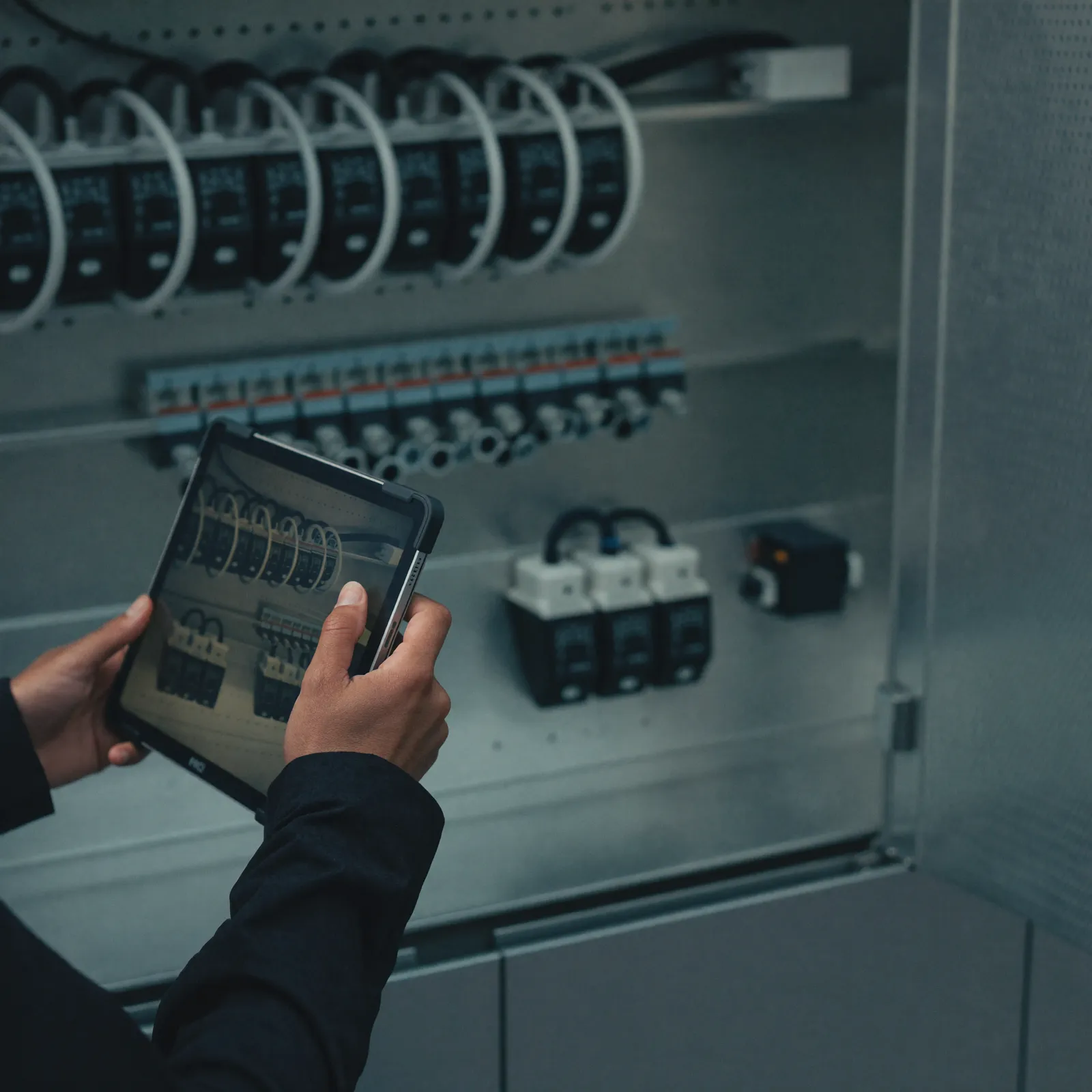
What you get with Authect's energy software development
Energy businesses run on reliable data from the field: meters, sensors, inverters and substations that all report in different ways. Authect builds the software that collects that data, makes sense of it and puts it in front of the people who need to act. We work as a small team led by the founders and senior engineers, so the people who scope your system are the people who build it.
Energy systems sit close to critical infrastructure, so we treat security, resilience and clear operational boundaries as design inputs, not afterthoughts. We separate operational and business networks where it matters, document every integration, and hand you code and infrastructure you own outright.
What we do
What's included in our energy software development services
Application development
Web and mobile apps for field crews, control-room staff and customers: work orders, asset views, outage updates, tariffs and self-service account management.
Explore the serviceInternet of Things
Data engineering
Machine learning
Cyber security
Build energy software your customers and regulators can rely on, led by the founders who build it.
Contact usService benefits
How we help energy businesses operate better

The energy solutions we build
Whether you are digitising field operations, launching a renewables product or replacing an ageing utility system, we cover the full journey: discovery, design, engineering, launch and ongoing support, with a founder accountable at every step.
Asset and grid monitoring
Dashboards and alerting on top of SCADA, sensor and meter data, giving operators a clear picture of network and plant health in near real time.
Renewables and storage platforms
Portfolio views, performance tracking and dispatch tools for solar, wind and battery sites, connected to inverters, weather feeds and market data.
Metering and billing systems
Meter data management, tariff calculation and billing workflows that keep every reading and charge traceable from device to invoice.
Field service and maintenance tools
Work orders, inspection checklists, offline-capable mobile apps and maintenance planning that keep crews, assets and records in step.
Customer and energy apps
Self-service portals and mobile apps for usage insights, outage updates, payments, EV charging and home energy devices.
Forecasting and analytics
Demand, generation and price forecasting, with reporting that supports planning, trading and sustainability disclosures.
Our energy domain expertise
Electricity networks
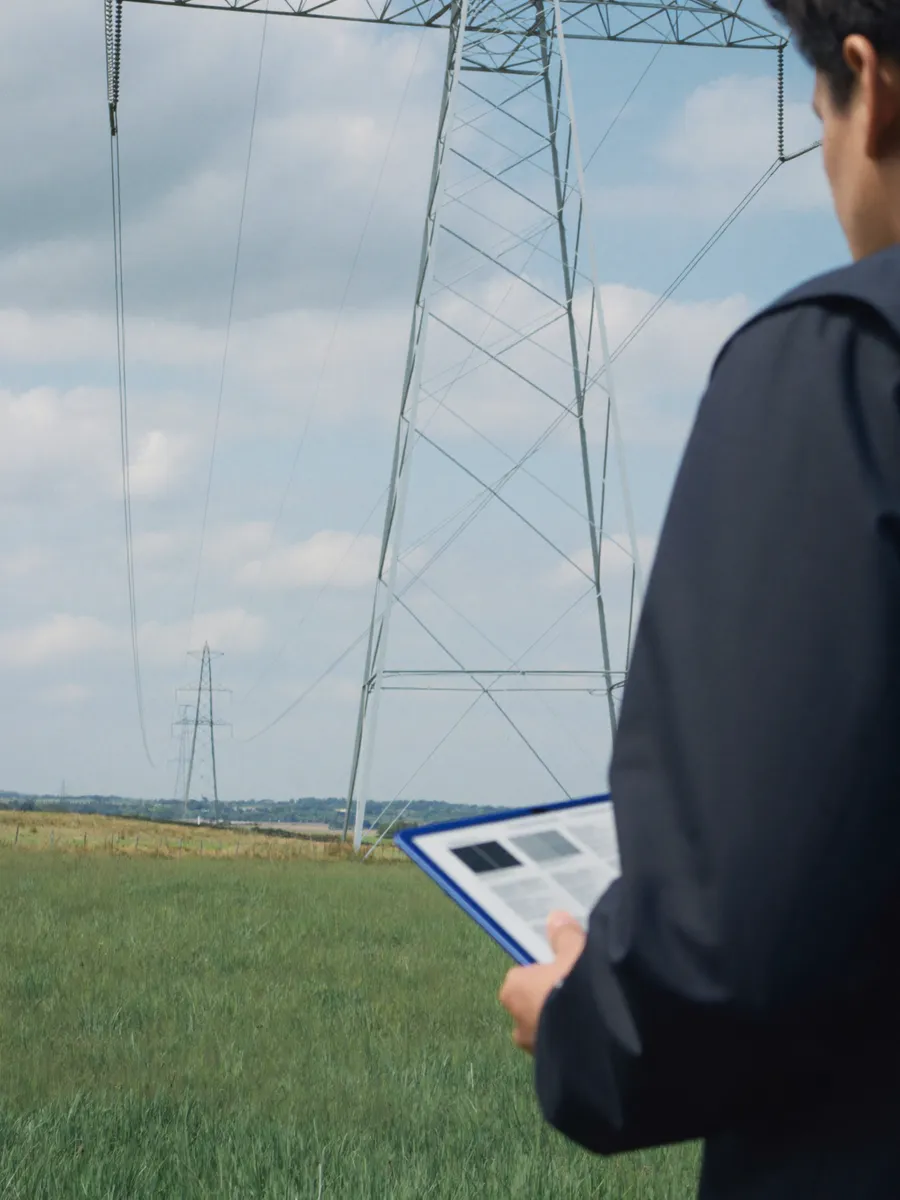
Software for distribution and transmission operators: network visibility, outage management, load analysis and new connection requests. We bring SCADA, metering and asset data into views that control-room staff and planners can act on, build outage tools that link fault reports to crews and customer updates, and read data out of operational systems through a controlled boundary, so nothing we add can interfere with how the network is run.
Renewable generation
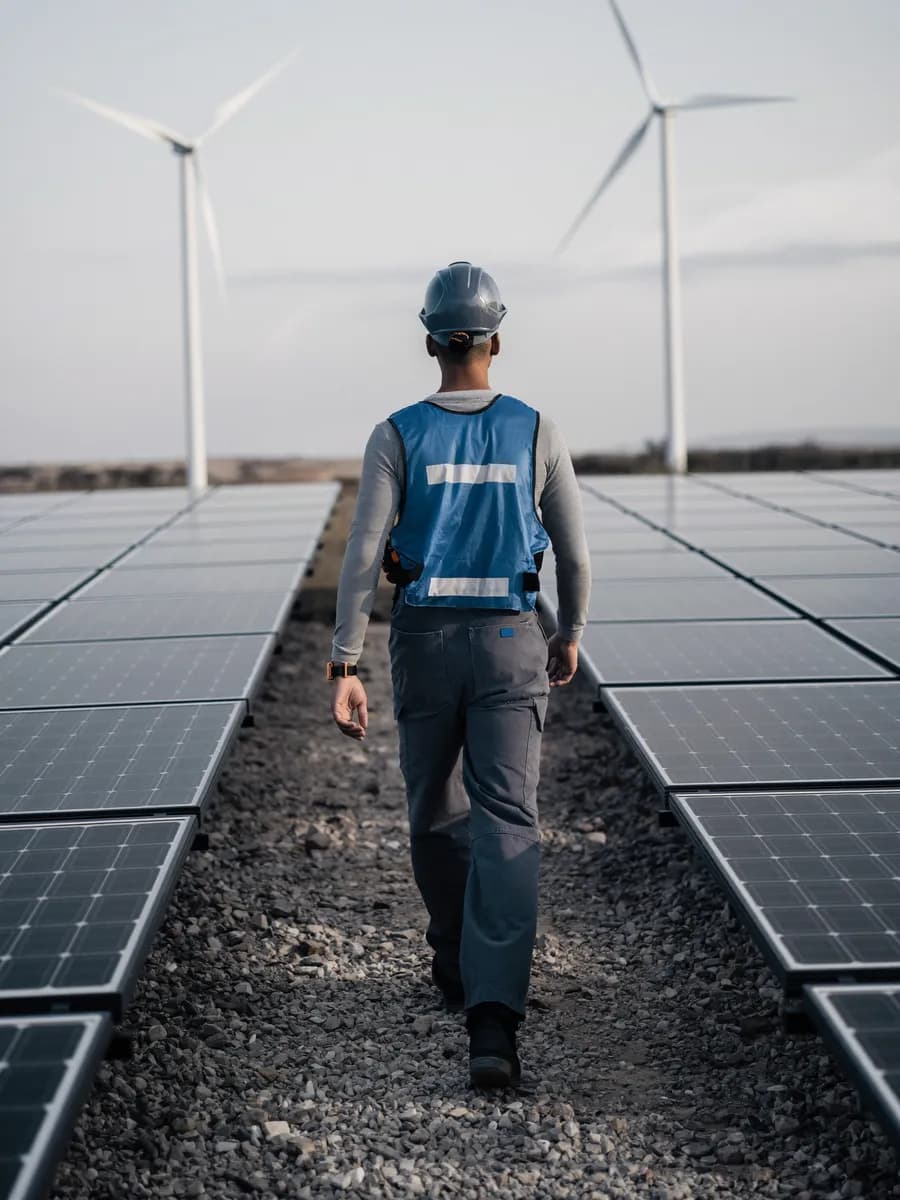
Monitoring, performance analysis and maintenance planning for solar and wind assets, often spread across many remote sites with different equipment. We connect inverters, turbine controllers and weather feeds to a single platform, compare expected and actual output so underperformance stands out, forecast generation with weather and curtailment in mind, and give asset managers and maintenance contractors the reports and work orders they need.
Storage and flexibility
Battery management dashboards, demand response and flexibility platforms that coordinate distributed assets against grid and market signals. We build the scheduling and dispatch logic that decides when batteries, heat pumps or chargers draw and release power, integrate with aggregators, market platforms and device APIs, and keep a clear record of every instruction sent and every response received, so settlement and performance reporting add up.
Oil and gas
Asset integrity, inspection records, production reporting and field operations tools that replace paperwork and spreadsheets with structured, searchable data. We build offline-capable inspection apps that capture readings, photos and defects on site, link them to equipment registers and maintenance plans, and pull production and sensor data from historians into reports that engineers, managers and joint-venture partners can trust.
Utilities and retail energy
Customer onboarding, metering, billing and support tools for electricity, gas, water and heat suppliers. We build sign-up and switching journeys, meter data management that validates and estimates readings, tariff engines that cope with time-of-use and dynamic pricing, and customer portals for usage, payments and moving home, all connected to your CRM and finance systems so every charge can be traced back to a reading.
E-mobility
Charge point management, roaming, payments and driver apps for EV charging networks. We connect chargers through open protocols such as OCPP, integrate roaming hubs and payment providers, and build the apps drivers use to find, start and pay for a charge. Behind them sit the operator tools for pricing, faults and site performance, plus smart charging that keeps sites within their grid connection limits.

How we work
Our approach to energy software development
Why develop your energy software with Authect
A founder on every project
The founder who scopes your energy system is part of the team that builds and supports it. You talk directly to engineers who understand both the field data and the software, with no account managers in between.
Security and resilience by design
Network segmentation, least-privilege access, encryption and audit trails are standard. Systems are built to keep working through patchy connectivity and missing readings, and we work with your security team so the standards you follow shape the design early.
You own everything
Code, data models, documentation and infrastructure sit in accounts you control from day one. Every integration is documented, so your own engineers or any other team can maintain and extend the system without us.
Energy software development FAQs
What is energy software development?
It is the design and engineering of software for the energy sector: systems that monitor and control assets, forecast demand and generation, manage metering and billing, and serve customers. Compared with other software, it puts extra weight on reliability, real-time data, integration with industrial equipment and the security of critical infrastructure.
Can you integrate with our SCADA, historian or metering systems?
Yes. We build integrations with the systems you already run, using their supported interfaces and industrial protocols, and usually read data out through a controlled boundary rather than writing back into control systems. Your operations team decides what we can access and how, and we document every connection.
Can you work within standards such as NERC CIP or IEC 62443?
Yes. We design software to fit the security standards that apply to you, for example through network segmentation, least-privilege access, change control and detailed logging. Your own compliance and security teams remain responsible for your regulatory position, and we work alongside them to provide the documentation they need.
How does software support sustainability goals?
Good data is the starting point. We build tools that measure consumption, generation and emissions accurately, forecast where energy can be saved or shifted, and produce reports your sustainability team can stand behind, with clear sources for every figure.
Can you modernise an existing utility system without disrupting operations?
Yes. We replace ageing systems step by step, running old and new side by side, migrating data in stages and switching over one function at a time, so field teams and customers are not left without the tools they rely on.