

Advisory
Agile Transformation Consulting
Help your teams plan, build and ship in short, predictable cycles, with guidance from senior engineers who run agile delivery every day, from the first assessment to habits that stick.
Talk to the foundersWhat you get with Authect's agile transformation consulting
Agile isn't a set of ceremonies to install. It's a way of working that lets your teams learn from users quickly, change direction without drama and deliver on the dates they promise. We help you adopt the agile and lean practices that fit your organisation, from how a single team runs its sprints to how leadership plans and funds the portfolio.
We don't coach from a slide deck. Agile delivery is how we build software for our own clients every week, so our advice comes from practitioners who live it: senior engineers and founders who know where it works, where it breaks and how to make it stick in a real engineering organisation.
Service benefits
The value of agile transformation for your business
- 01
Agility across the whole delivery process
Agile and lean portfolio practices connect strategy to the work teams pick up each sprint, so priorities can change without throwing plans, budgets and people into chaos.
- 02
More engaged, better connected teams
Clear goals, short feedback loops and shared ownership give people a reason to care. We help distributed and newly formed teams work as one, wherever they sit.
- 03
Shorter time to market
By removing hand-offs, waiting time and oversized releases, we help you get improvements in front of customers sooner and learn from them while it still matters.
- 04
Clearer roles and better alignment
Everyone knows who decides what, how work flows between teams and what done means. Less time is lost in meetings about meetings, and more goes into the product.
- 05
Happier, more loyal customers
Teams that release often and listen to feedback build what customers actually need. Your products improve in steps users can see, and their trust grows with them.
- 06
Resilience when the market shifts
When a competitor moves or a regulation changes, an agile organisation can re-plan in days rather than quarters, because the habits of re-prioritising are already in place.
Our process
Our agile transformation process
Four stages take you from how you work today to a way of working your teams own. Each stage ends with visible results, not just recommendations.
Ready to get better business results from a more agile way of working?
Contact usWhy Authect
What makes our agile consulting different
- 01
Consulting and implementation in one
We don't hand over a framework and leave. We take you from assessment and roadmap through implementation and coaching, working inside your teams until the change is real.
- 02
Practitioners, not theorists
Our advice comes from senior engineers who deliver software in sprints for clients every week, so it's grounded in what works in real projects, with real deadlines.
- 03
Engineering, not just ceremonies
Agile falls apart without the technical practices behind it. We help with automated tests, deployment pipelines and AI-assisted tooling, so teams can actually ship in short cycles.
- 04
Founders you can call
You work directly with the founders, not an account manager. Questions about scope, priorities or progress get answered by the people accountable for the result.

Practices
The practices we help your teams adopt
There's no single right framework. We draw on Scrum, Kanban and lean portfolio management and pick the practices that suit each team's work, whether that's building new products, running a platform or handling support.
Each practice is introduced with your teams, tried in real work and kept only if it helps. What works stays; what doesn't is dropped, and the result is a way of working your people recognise as their own.
Team practices
Sprints and planning
Short, focused cycles with a clear goal, realistic commitments and a working increment at the end.
Backlog management
A single, ordered backlog with well-written items, so the team always knows what matters most next.
Flow and limits on work in progress
Kanban boards that make bottlenecks visible and keep teams finishing work before starting more.
Reviews and retrospectives
Regular moments to show work to stakeholders and improve how the team works, with actions that get followed up.
Engineering practices
Automated testing
Tests that run on every change, so teams can release often without fear of breaking what already works.
Continuous delivery
Pipelines that build, test and deploy automatically, turning releases into a routine instead of an event.
AI-assisted development
Using AI tools to speed up coding and testing, with an engineer reviewing every line before it ships.
Leadership and portfolio
Lean portfolio management
Funding and prioritising work by value streams, so strategy turns into team backlogs without a yearly scramble.
Delivery metrics
A small set of honest measures, such as lead time and predictability, that show whether things are improving.
Roles and decision rights
Clear responsibilities for product owners, team leads and managers, so decisions are made quickly and in the right place.
Case studies
Recent work from Authect
 Mobile AppReact NativeSupabaseBredinoBredino: Verified Matchmaking & Breeding Platform for Purebred Animals39App Screens100%Verified Docs109Automated Tests
 FintechTradingArtificial IntelligenceSmartTraderSmartTrader: Technical Analysis & Automated Trading Platform100k+Active Traders< 20msLatency50+Smart Tools
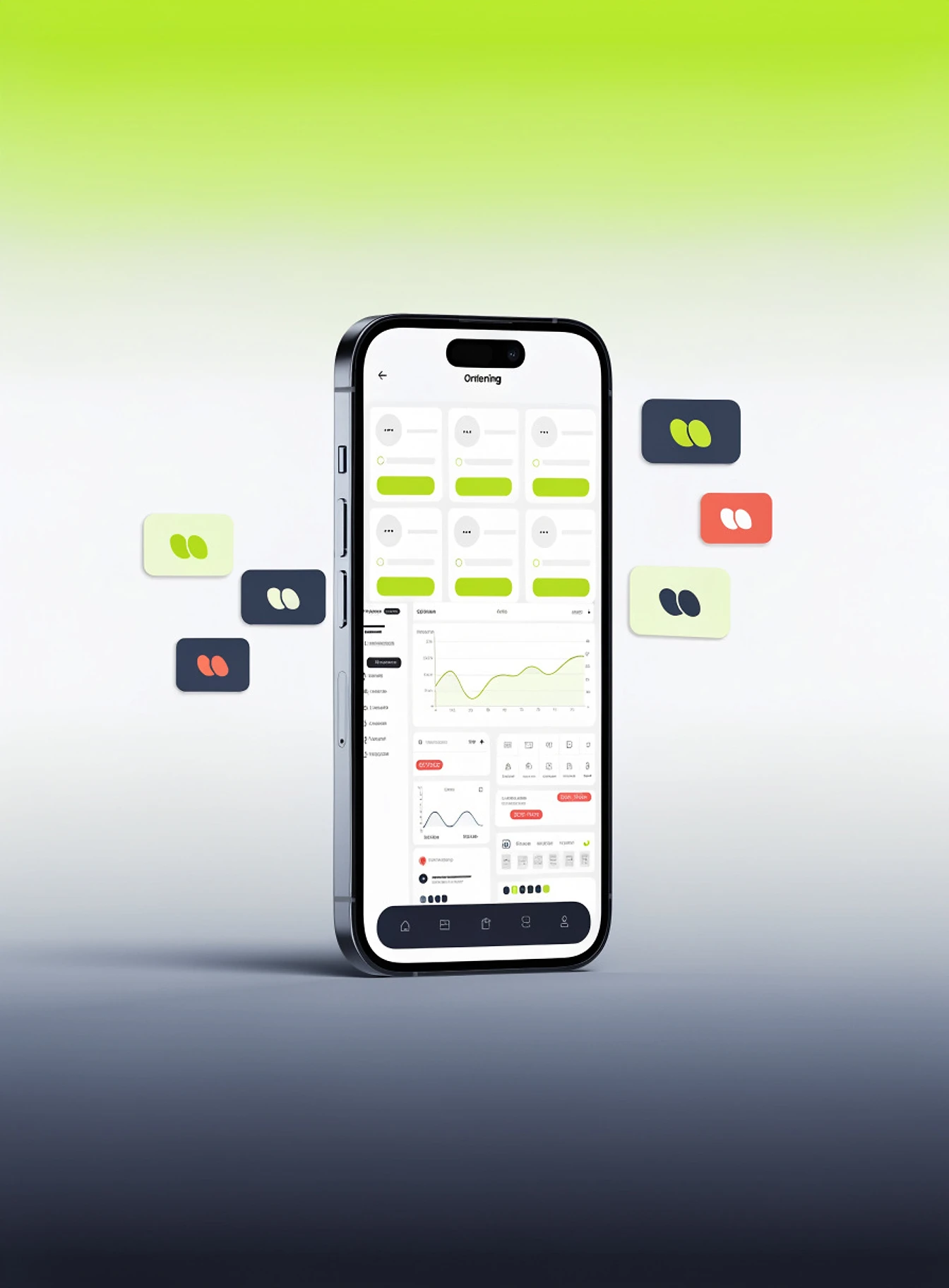 HospitalityFoodTechSaaSFoodNotifyFoodNotify: F&B Management & Automated Kitchen Operations Platform30k+Locations15%Cost Reduction100+Integrations
Insights
 GuideTalent marketplace vs development studio: Toptal, Upwork or a team?View guide
 GuideFounder-led studio vs large offshore agency: which is right for your project?View guide
 GuideStudio vs in-house developers: the true cost of building your own teamView guide
 GuideDevelopment studio vs freelancer: who should build your software?View guide
 GuideCustom software vs no-code: when each wins, the limits and the real costs over timeView guide
 NewsWeekly briefing, 4 November 2026: the $6.3bn Binance heist, HTTP2Shell keeps spreading, and one robots.txt line for AI trainingView news
FAQs
Agile transformation FAQs
What is agile transformation in a business context?
Agile transformation is the process of adopting agile principles and practices across an organisation so it becomes more flexible and responsive to change. It goes beyond individual teams running sprints: it changes how work is planned, funded, prioritised and delivered, and how leaders and teams make decisions together.
Why might a company pursue agile transformation?
Usually because delivery feels too slow, too unpredictable or too disconnected from what customers need. Agile ways of working shorten feedback loops, make progress visible and let you change priorities without derailing everything, which helps you compete in markets that move quickly.
What are the key steps to implementing agile successfully?
Start by understanding how work flows today and what you want to improve. Build a roadmap that begins with a few teams rather than everyone at once, introduce practices alongside the engineering changes that support them, measure progress honestly and keep coaching until the new habits are self-sustaining.
Should we use Scrum, Kanban or something else?
It depends on the work. Scrum suits teams building products in planned increments; Kanban suits teams handling a steady flow of varied requests, such as support or platform work. Many organisations use both, plus lean portfolio practices to connect them to strategy. We help each team choose what fits.
How long does an agile transformation take?
Teams usually feel a difference within the first few sprints, but lasting change across an organisation takes longer, because habits, roles and planning cycles all have to shift. We agree milestones with you in the roadmap, so you can see progress and decide how far to go.
Will our teams need to stop work during the transformation?
No. We introduce new practices through your teams' real work, not in separate training projects. Delivery continues throughout, and the changes are made in small steps so each one can be tried, measured and adjusted.