

Industry
Healthcare Software Development
We design and build secure software for providers, digital health companies and patients, from first prototype to production, with the founders writing the code.
Talk to the founders
What you get with Authect's healthcare software development
Healthcare software has to be safe, private and easy to use for people who are busy, unwell or both. Authect builds patient apps, clinician tools, telehealth platforms and the integrations that connect them to existing records. We work as a small team led by the founders and senior engineers, so the people who scope your product are the people who build it.
Privacy and security are part of the design from day one. We build with encryption, strong access controls and full audit logs, connect to clinical systems through standards such as HL7 FHIR, and hand you code and infrastructure you own outright.
What we do
What's included in our healthcare software development services
Application development
Web and mobile apps for patients, clinicians and care teams, built for accessibility and clear flows, with the privacy controls health data needs.
Explore the serviceProduct and service design
Cyber security
Data engineering
Artificial intelligence
Build healthcare software clinicians want to use. Your first call is with the people who code it.
Contact usService benefits
How we help healthcare organisations improve care
The healthcare solutions we build
Whether you are launching a digital health product or improving the systems a provider already runs, we cover the full journey: discovery, design, engineering, launch and ongoing support, with a founder accountable at every step.
Patient apps and portals
Appointment booking, secure messaging, results, care plans and reminders in mobile and web apps designed for patients of all ages.
Telehealth platforms
Video consultations, virtual waiting rooms, remote prescribing workflows and follow-up, integrated with scheduling and records.
EHR integrations and extensions
FHIR and HL7 integrations, SMART on FHIR apps and custom modules that extend the records system clinicians already use.
Remote patient monitoring
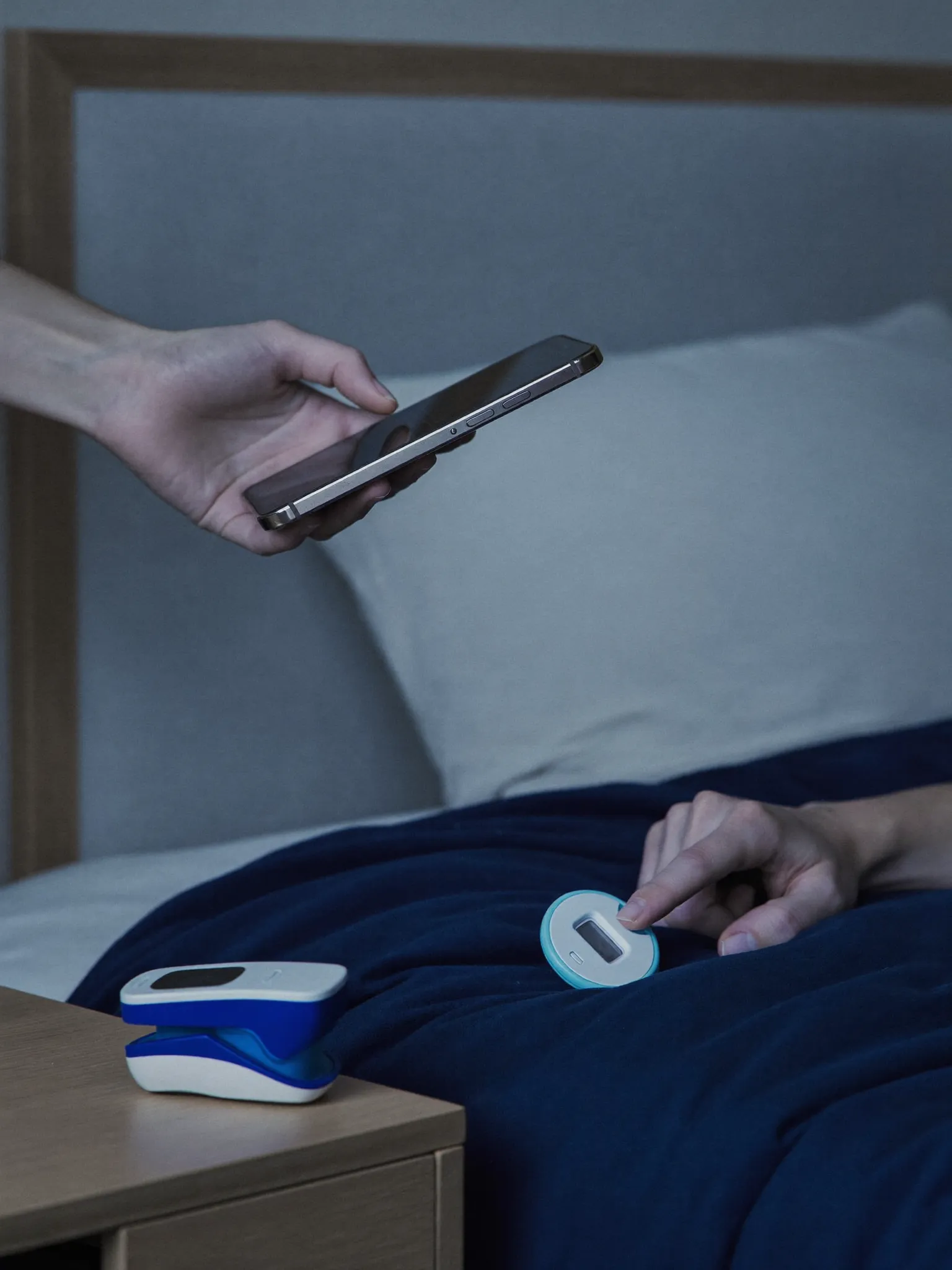
Connections to wearables and home devices, with dashboards and alert rules that help care teams act on the readings that matter.
Practice and revenue cycle tools
Scheduling, billing, claims and reporting software that cuts admin work and makes the financial side of care easier to track.
Healthcare analytics
Data platforms and dashboards for operational, clinical and population health reporting, built on de-identified data where possible.
Our healthcare domain expertise
Digital health products
Digital health products have to work for patients who may be unwell, anxious or new to technology, and for clinicians with very little time. We build mobile and web apps for prevention, chronic condition management, mental health and wellbeing, with accessible design, secure messaging, symptom and activity tracking and clinician dashboards, plus the back end and analytics needed to grow from pilot to wide rollout.

Hospitals and clinics
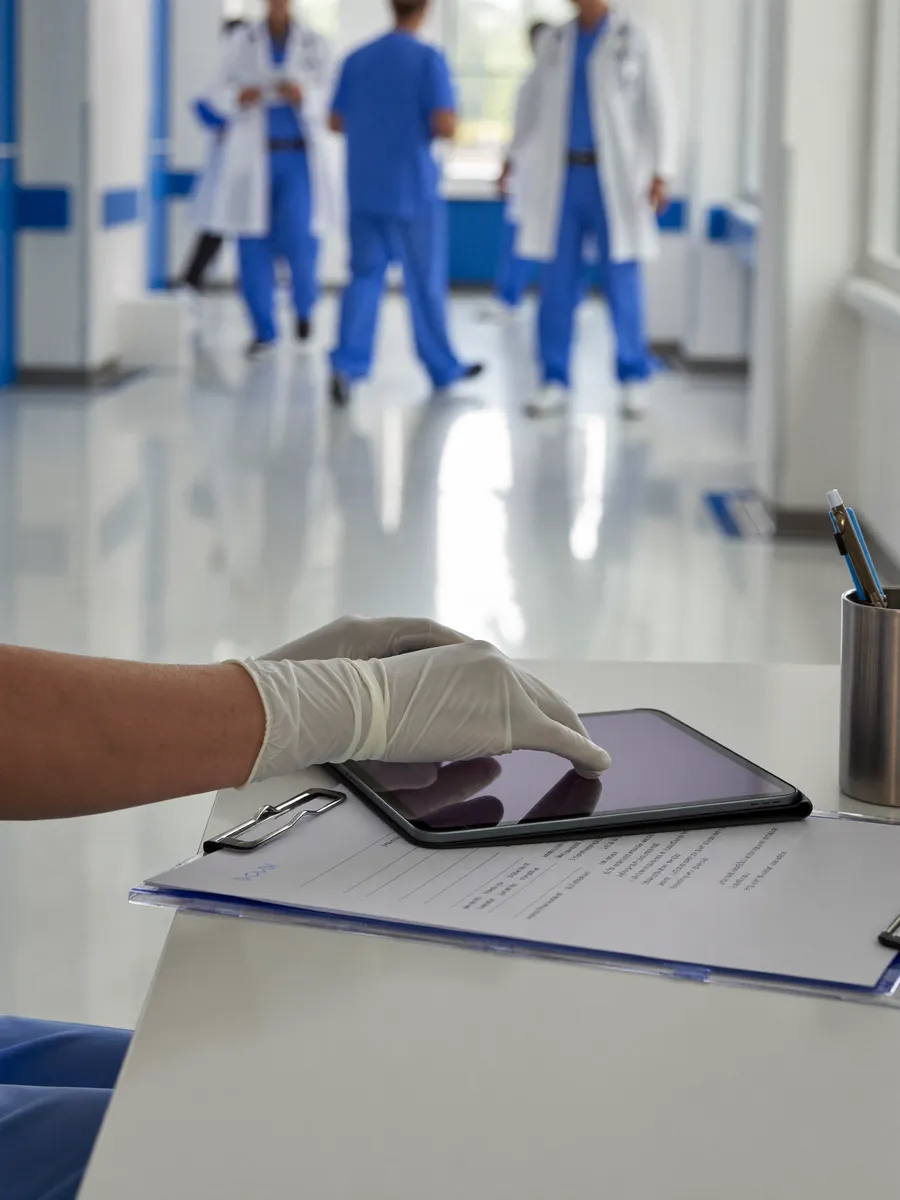
Hospitals and clinics run on many systems at once, and staff lose time moving information between them. We build tools for scheduling, patient flow, bed management, clinical documentation and team communication that sit alongside the existing records system, read data through its interfaces and write back where appropriate, so clinicians and administrators see current information without logging in to yet another portal.
Interoperability
Health data is spread across EHRs, labs, pharmacies, devices and payers, each with its own formats. We build FHIR APIs, HL7 v2 interfaces and integration engine routes, map local codes to standard terminologies such as SNOMED CT and LOINC, and add validation, retries and monitoring, so messages are not lost and records stay consistent as data moves between systems and organisations.

Medical imaging
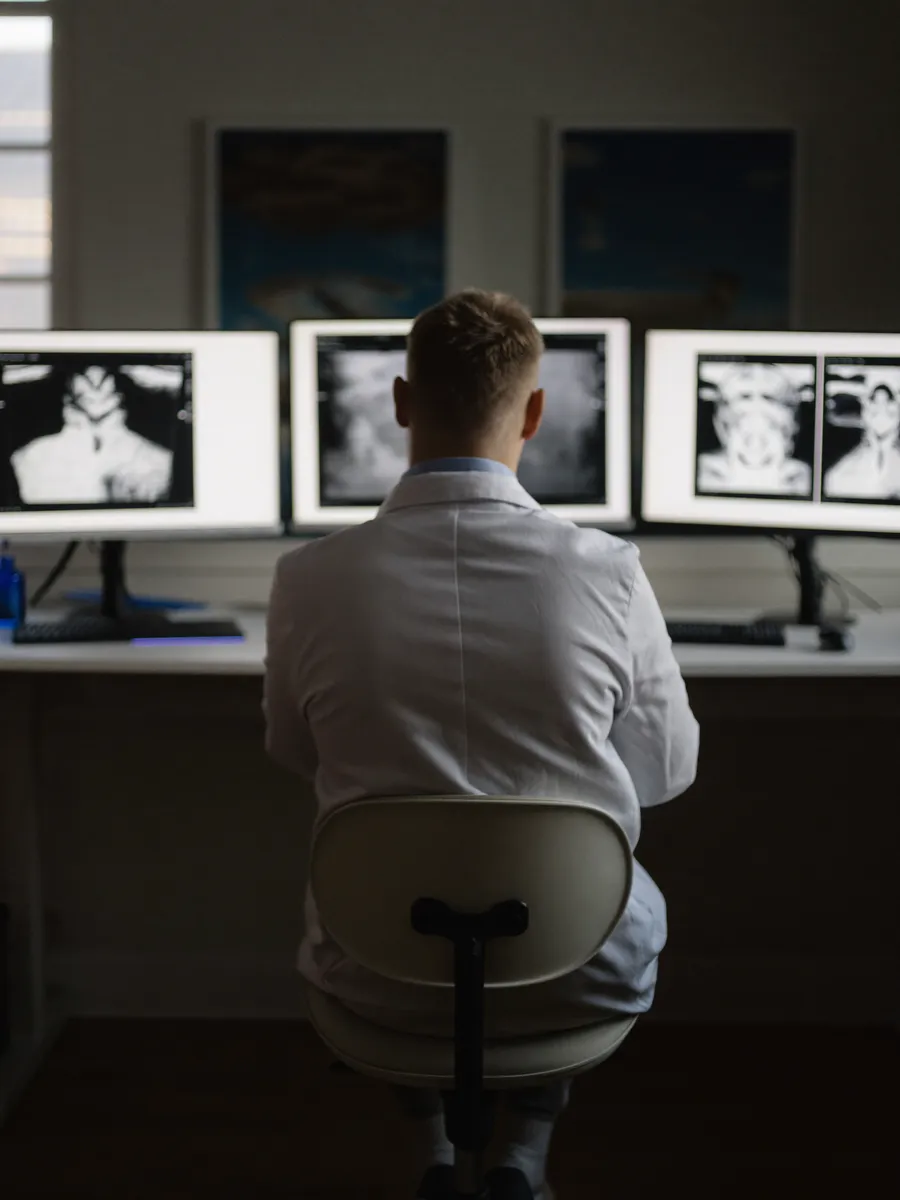
Imaging depends on fast access to large studies and clear reporting workflows. We build web-based viewers, worklists and image management tools that connect to PACS and archive systems through DICOM and DICOMweb, and integrate AI-assisted analysis so suggested findings appear alongside the images, with radiologists and other clinicians reviewing and signing off every result before it reaches a report.
Connected devices
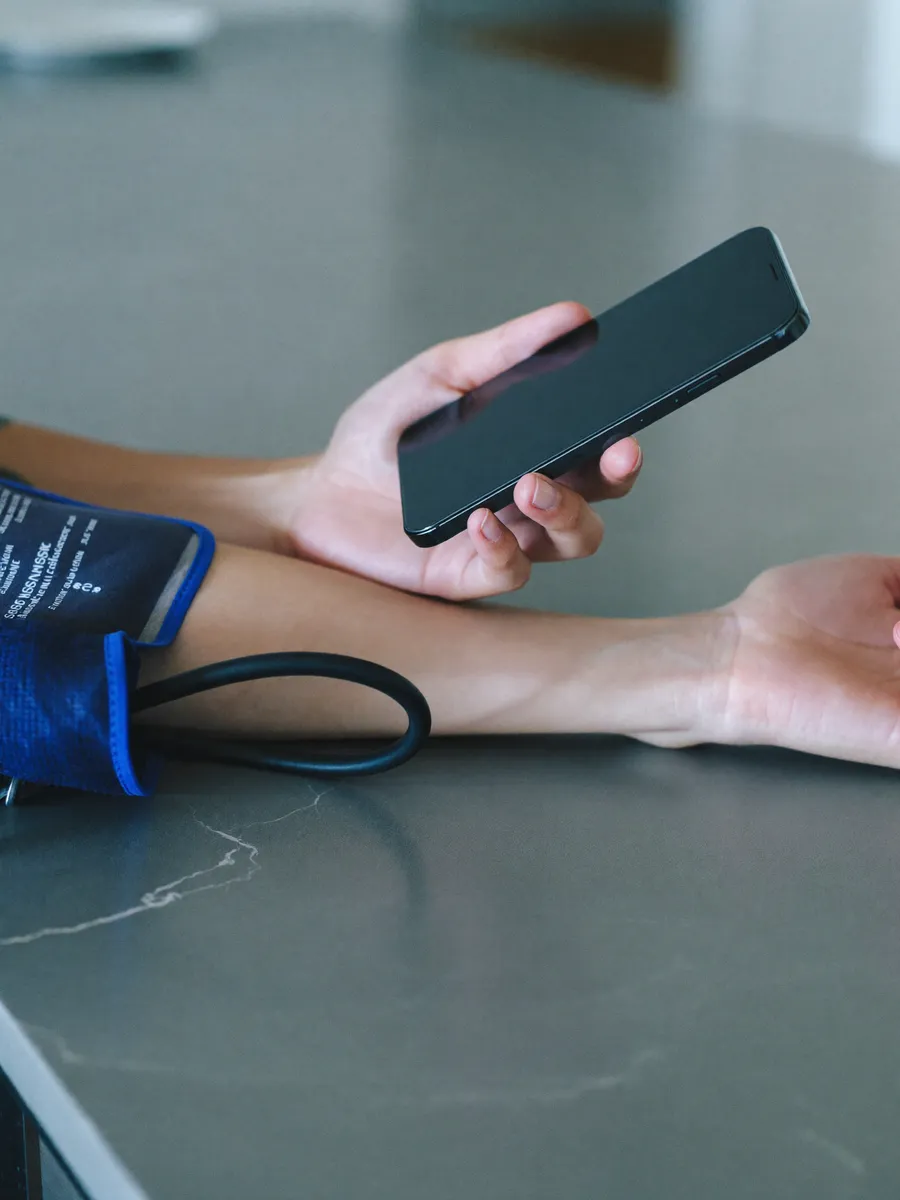
Wearables, home monitors and connected medical devices produce continuous streams of readings that need to reach care teams reliably. We build companion apps, Bluetooth and cloud integrations, and back ends that ingest, store and present device data securely, with clear handling of gaps, duplicates and faulty readings, and alert rules that care teams can tune to each patient.
How we work
Our approach to healthcare software development
Why develop your healthcare software with Authect
Direct access to the founders
The founders scope, design and build your product themselves, so clinical and product questions reach the people who can answer them. Nothing gets lost in handovers between sales, delivery and support.
Privacy and safety by design
Encryption, least-privilege access, audit logs and data minimisation are standard in what we build. We work with your clinical safety, privacy and information governance leads, who remain responsible for your regulatory position.
You own everything
Code, designs, integration specifications and infrastructure live in accounts you control, so patient data stays in your environment and your own team, or any other engineer, can take over at any time.
Healthcare software development FAQs
What is healthcare software development?
It is the design and engineering of software for healthcare: patient apps, telehealth, clinical tools, records integrations, billing and analytics. Compared with other software, it puts extra weight on privacy, security, accessibility, interoperability and patient safety.
Can you build software that meets HIPAA or GDPR requirements?
Yes. We design for the rules that apply, with encryption, access controls, audit logs, data minimisation and hosting with providers that sign the agreements health data requires. Your compliance, privacy and clinical safety leads remain responsible for your regulatory position, and we give them the documentation they need.
Can you integrate with our EHR or practice management system?
Yes. We integrate through FHIR and HL7 interfaces, vendor APIs and integration engines, with validation, retries and monitoring so records stay consistent. Where an integration needs a vendor's approval or marketplace listing, we prepare the technical work and support you through it.
Is our software a medical device?
Some healthcare software is regulated as a medical device, depending on its intended purpose. That classification is for you and your regulatory advisers to decide. If it applies, we work within your quality process, with documented requirements, risk controls and traceable testing.
How long does it take to build a healthcare app?
It depends on scope and integrations, but a focused first release usually takes a few months. We agree the smallest version worth putting in front of patients or clinicians, then deliver in short iterations and test with real users early.