

Industry
Logistics Software Development
We design and build software that moves goods reliably: transport and fleet management, warehouse tools, tracking and the integrations that connect every partner in the chain.
Talk to the founders
What you get with Authect's logistics software development
Logistics runs on timing, visibility and accurate data. A late update or a missed scan becomes a missed delivery. Authect builds the software behind your operation: transport and warehouse systems, driver apps, tracking portals and the integrations that tie carriers, customers and suppliers together. We work as a small team led by the founders and senior engineers, so the people who scope your system are the people who build it.
We design for the conditions your teams actually work in: offline-capable mobile apps, high event volumes and dozens of partner integrations, each with retries and monitoring. Every system comes with documentation and tests, and you get code and infrastructure you own outright.
What we do
What's included in our logistics software development services
Application development
Web and mobile apps for dispatchers, drivers, warehouse staff and customers: bookings, job lists, proof of delivery, scanning and live shipment status.
Explore the serviceEnterprise applications
Internet of Things
Data engineering
Machine learning
Build logistics software that keeps shipments in step, with no sales layer between you and the code.
Contact usService benefits
How we help logistics businesses run smoother
The logistics solutions we build
Whether you are replacing a patchwork of tools or launching a new logistics product, we cover the full journey: discovery, design, engineering, launch and ongoing support, with a founder accountable at every step.
Transport management systems
Order intake, carrier selection, load planning, dispatch and freight settlement in one system, with clear status for every consignment.
Fleet and telematics platforms
Vehicle tracking, driver behaviour, maintenance schedules and fuel or charging data, brought together for fleet managers and drivers.
Warehouse management tools
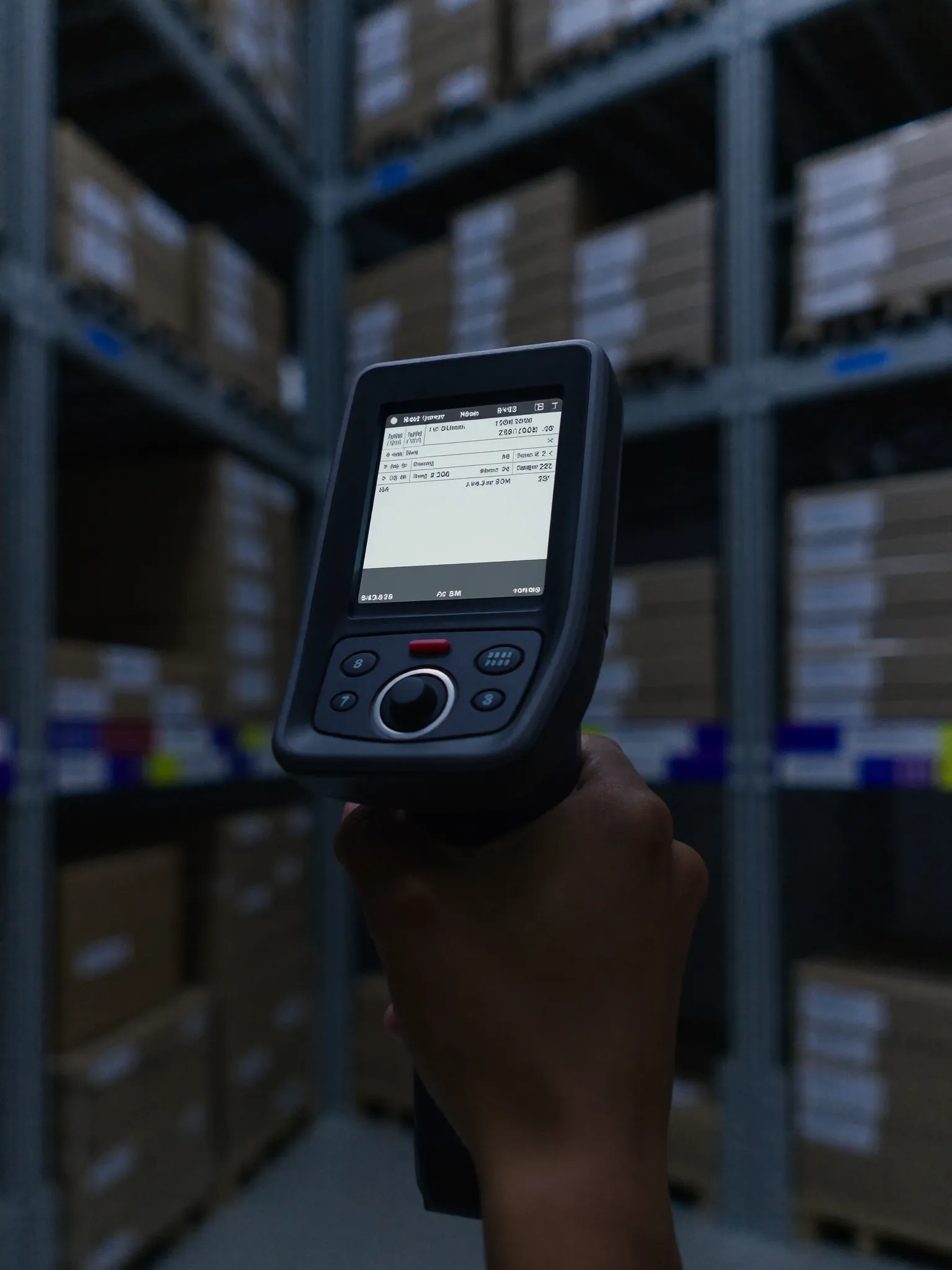
Receiving, put-away, picking, packing and stock counts with scanner support, tied into orders and inventory across locations.
Route planning and optimisation
Multi-stop routing that respects time windows, vehicle capacity and driver hours, with re-planning when the day doesn't go to plan.
Driver and proof-of-delivery apps
Offline-capable mobile apps for job lists, navigation, signatures, photos and exceptions, syncing as soon as a connection returns.
Customer tracking portals
Branded tracking pages, delivery notifications and self-service rebooking that reduce support calls and failed deliveries.
Our logistics domain expertise
Freight and transport
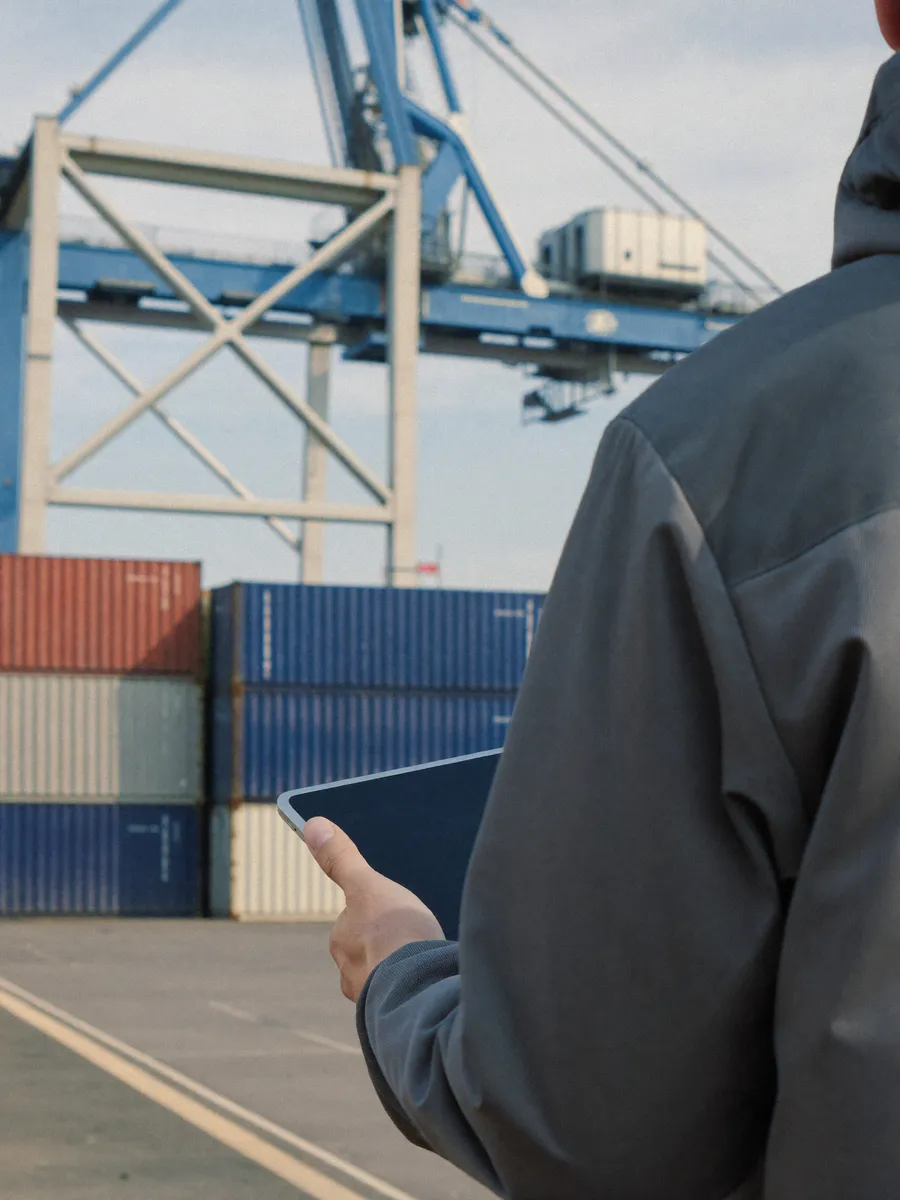
Road, sea and air freight workflows, from quotes and bookings to documentation, tracking and settlement with carriers and forwarders. We build quoting and booking tools that pull live rates, generate transport documents from a single shipment record, connect to carriers through APIs and EDI, and match invoices against agreed rates, so operations and finance teams stop rekeying the same data into several systems.
Last-mile delivery
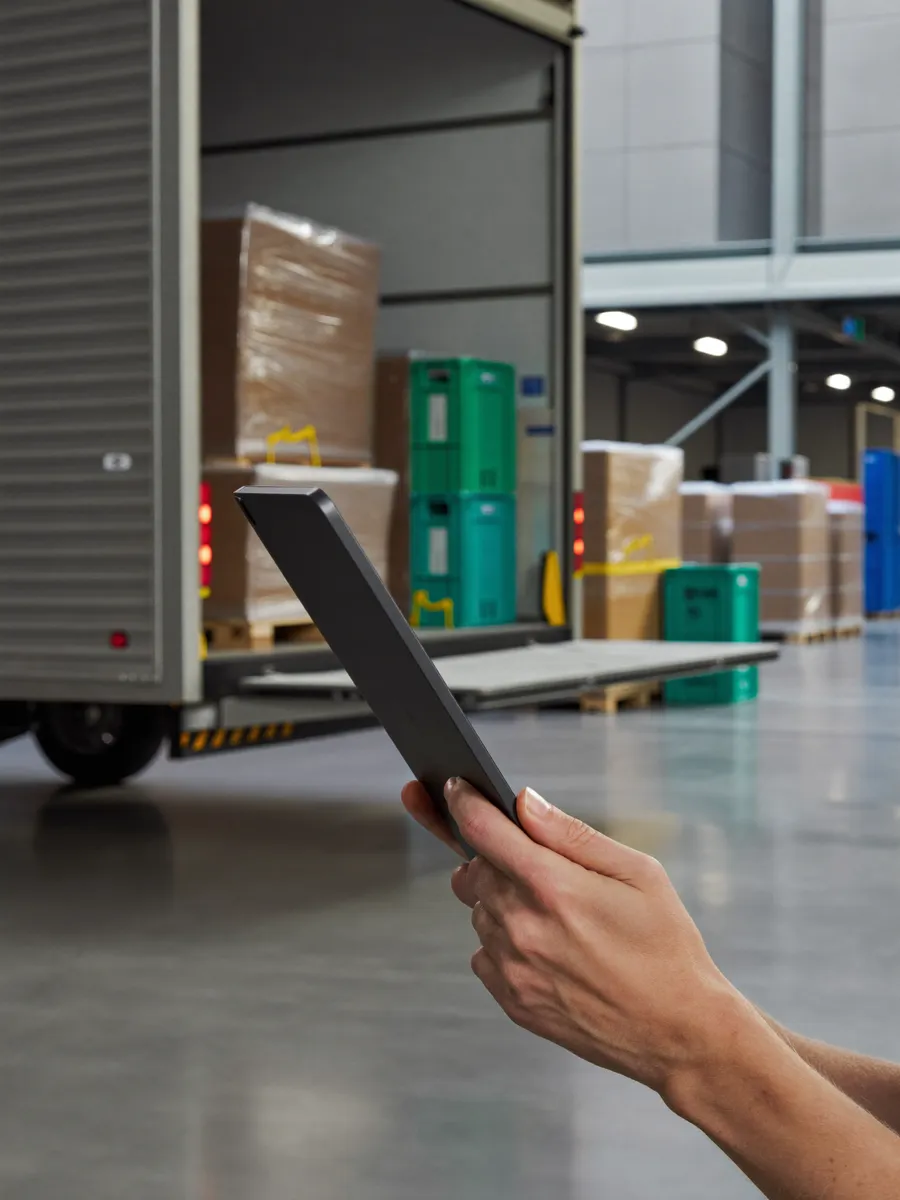
Dispatch, routing, driver apps and customer notifications for high-volume parcel and same-day delivery, where every failed drop costs money. We build route planning that respects time windows and vehicle capacity, driver apps for scanning, proof of delivery and exceptions that keep working offline, and tracking pages and messages that let customers reschedule or redirect a parcel before the driver arrives.

Warehousing and fulfilment
Stock control, order fulfilment and returns for warehouses and third-party logistics providers serving several clients from shared space. We build receiving, putaway, picking and packing workflows on handheld scanners, connect order flows from online shops, marketplaces and ERPs, keep stock accurate per client and location, and give each client a portal for orders, inventory and billing.

Fleet management
Telematics, maintenance, compliance records and cost tracking for fleets of vans, trucks or electric vehicles. We bring location, fuel or charge and fault data from telematics providers into one platform, schedule servicing and inspections, keep driver hours, licence checks and vehicle documents in order, and give fleet managers clear reporting on cost per vehicle, driver and route.

Supply chain visibility
Combining data from suppliers, carriers and warehouses into one view of inbound and outbound flows, with alerts when something slips. We normalise the status updates, EDI messages and spreadsheets partners send in different formats, match them to purchase orders and shipments, estimate arrival times, and flag delays early enough for planners to reroute, expedite or warn customers.
Cold chain
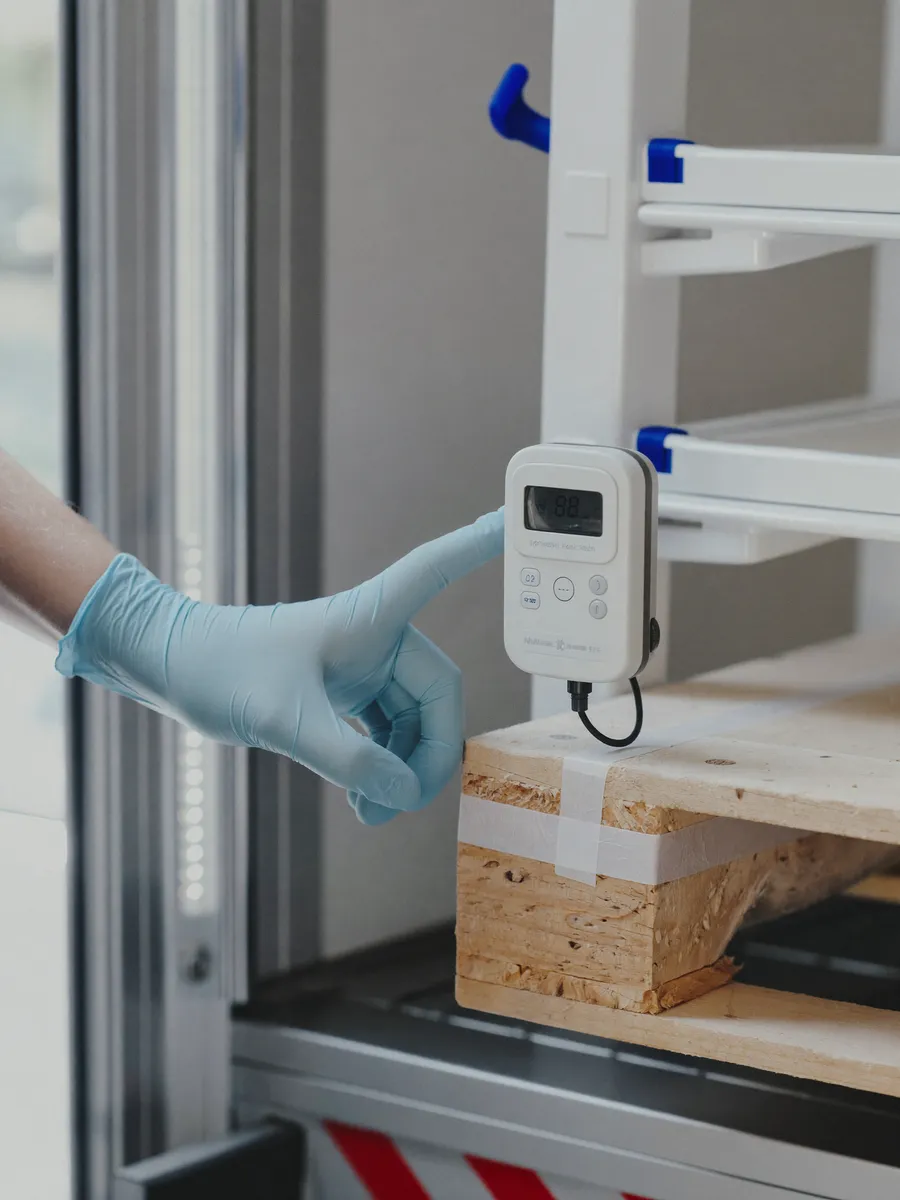
Temperature monitoring, alerts and audit-ready records for food, pharmaceutical and other goods that must stay within strict limits in transit. We connect data loggers and refrigerated units to a central platform, alert drivers and controllers the moment a reading drifts, record every excursion and the action taken, and produce the temperature history customers and inspectors ask for with each consignment.
How we work
Our approach to logistics software development
Why develop your logistics software with Authect
Founders on every project
The founders who scope your logistics platform stay on to build and support it. When a carrier changes its API or a new client needs onboarding next week, you speak to engineers who already know your system.
Reliability under load by design
Queues, retries, idempotent processing and monitoring are standard in every integration we build, and systems are load tested for peak volumes, so orders, scans and status updates keep flowing on your busiest days.
You own everything
Code, integrations, documentation and infrastructure live in accounts you control from day one. Nothing is held back: your own team or any other engineers can pick up the platform and take it forward.
Case studies
Our logistics projects
 AI RoutingLogisticsPredictive AnalyticsSHPD & Logistics PartnerBlueBox: AI Dispatch, Predictive ETAs & Route Intelligence for LATAM & Europe95%ETA Accuracy< 50msDispatch Latency60%Less Support Overhead
 LogisticsE-CommerceCross-BorderSHPD GlobalSHPD: Cross-Border Shipping Platform for Spain & LATAM< 60sInstant Quotes3 StepsBooking Flow100%Trackable
Logistics software development FAQs
What is logistics software development?
It is the design and engineering of software that plans, moves, stores and tracks goods: transport and warehouse management, fleet and telematics platforms, route planning, driver apps and customer tracking. Compared with other software, it puts extra weight on real-time data, integration with many partners and reliability under heavy, uneven load.
Should we build custom logistics software or buy an off-the-shelf system?
Off-the-shelf tools suit standard processes. Custom software makes sense when your way of operating is part of your advantage, or when you are stitching several products together with manual work. Often the best answer is both: keep a proven core system and build the integrations, apps and workflows around it. We help you decide before any code is written.
Can you integrate with our existing TMS, WMS, ERP and carriers?
Yes. We connect to existing systems through their APIs, EDI messages or file exchanges, and build each integration with retries, validation, monitoring and alerting, so a partner outage is visible and recoverable rather than a silent data gap.
Do driver and warehouse apps work without a signal?
They can, and usually should. We build mobile apps that store jobs, scans, photos and signatures locally and sync when a connection returns, resolving conflicts predictably so nothing captured in the field is lost.
How long does it take to build a logistics platform?
It depends on scope and the number of integrations, but a focused first release usually takes a few months. We start with the workflow that causes the most pain, ship it to real users, then extend the platform in short iterations.